The Presbyterian Church (USA), often abbreviated PC(USA), is one of the largest Presbyterian denominations in the United States and part of the broader Reformed Protestant tradition. Known for its emphasis on theological reflection, education, and social engagement, the denomination has a long and complex history that stretches back to the Protestant Reformation. For Christians seeking to understand … Read More “The Presbyterian Church (USA): Origins, Beliefs, and Distinctives” »
Episodes and Posts
The Plymouth Brethren emerged in the early nineteenth century as part of a broader wave of religious renewal and dissatisfaction with established churches. Known for their emphasis on simplicity in worship, biblical authority, and lay leadership, the movement became one of the most influential currents in modern evangelical Christianity. Despite beginning as a relatively small fellowship movement, … Read More “The History of the Plymouth Brethren” »
Christianity has an ancient and enduring presence in the lands of Persia and modern Iran. Though always a minority faith, Christians have played significant roles in the social, cultural, and religious life of the region—from early missionary expansion across Asia, through periods of persecution, coexistence under Islamic rule, and up to the challenges and developments … Read More “Christianity in Persia and Iran: A Long and Complex History” »
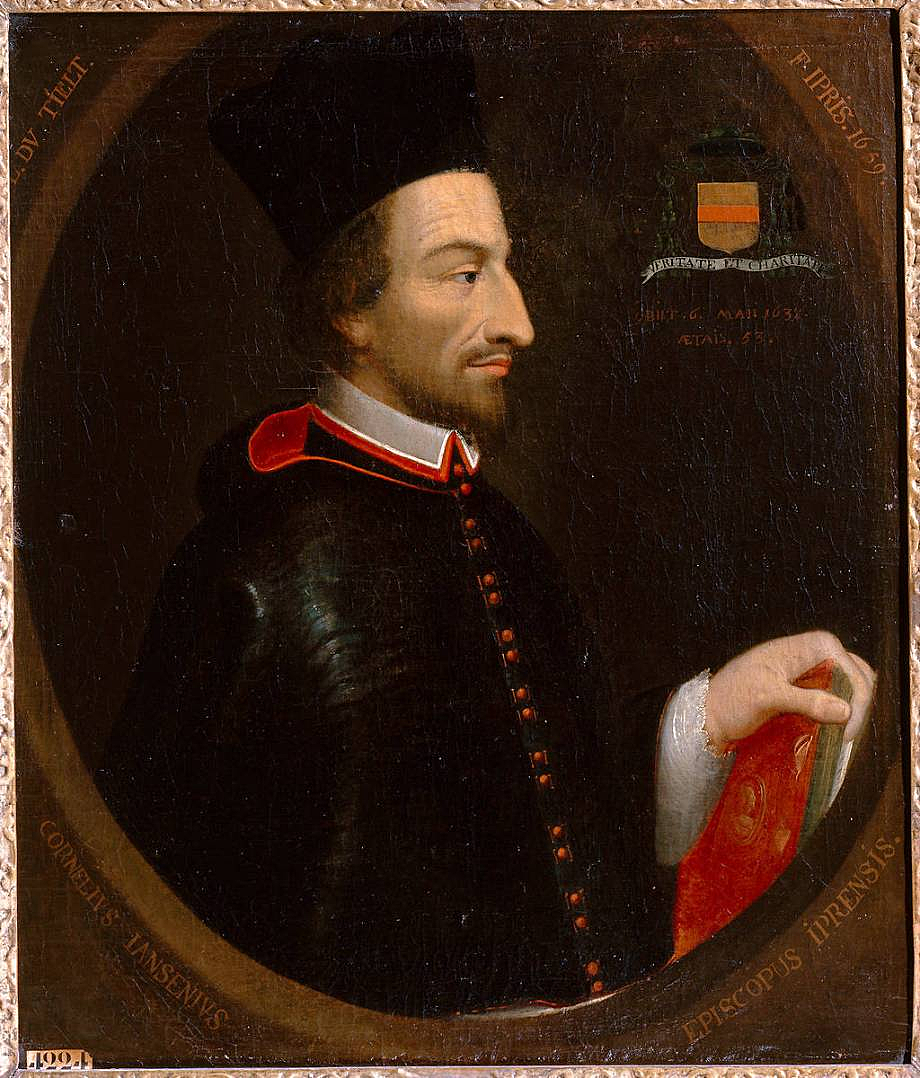
Jansenism was a 17th-century reform movement within Roman Catholicism that emphasized human depravity, the necessity of divine grace, moral rigor, and a return to the theology of Augustine of Hippo. Though it never formally separated from Rome as a distinct church, it provoked intense controversy, papal condemnations, and enduring debates about grace, free will, and ecclesiastical … Read More “What Is Jansenism? Origins, Theology, Conflict, and Legacy” »
Bible colleges occupy a distinctive place in the landscape of Christian higher education. Neither traditional seminaries nor fully comprehensive universities, they emerged from revivalist and evangelical movements with a focused mission: to train laypeople and ministers in Scripture for practical Christian service. Their story is deeply connected to the rise of evangelicalism, missions movements, fundamentalism, … Read More “The Rise of Bible Colleges: Origins, Purpose, and Present Challenges” »
In the battles for Nicene orthodoxy against the Arians during the fourth century, one of the most important figures in the west was Hilary of Poitiers. Hilary took the wisdom from the east and translated it for the west. Learn more about Hilary in this episode and make sure to go back to Episode 62 … Read More “Episode 72 – Hilary of Poitiers: The Athanasius of the West” »
Few texts—outside of the Bible—have shaped English-speaking Christianity as profoundly as the Book of Common Prayer (BCP). It has influenced theology, worship, politics, literature, and even the English language itself. Its origins lie in the upheavals of the 16th-century Reformation, but its reach extends globally and across centuries. Understanding the Book of Common Prayer requires situating it within the … Read More “The Creation and Development of the Book of Common Prayer” »
Few figures in early Christian history have had as paradoxical a legacy as Pelagius. Though condemned as a heretic, his controversy with Augustine of Hippo profoundly shaped Western theology, especially doctrines of sin, grace, and free will. To understand Pelagius is to understand one of the most formative theological disputes of late antiquity. Historical Context: The Late … Read More “Pelagius: The Monk Who Challenged Augustine” »
Few ideas have shaped the political, religious, and cultural self-understanding of the United States more than American exceptionalism. At its core is the belief that the United States is fundamentally different from—and often morally superior to—other nations, possessing a unique mission in world history. While the phrase itself is relatively modern, the ideas behind it reach … Read More “The Rise and Development of American Exceptionalism” »
Augustine of Canterbury (d. c. 604) stands at the beginning of organized Christianity in Anglo-Saxon England. Sent from Rome as a missionary rather than a theologian in the speculative sense, Augustine’s significance lies not in original doctrinal development but in institution-building, pastoral leadership, and the transmission of Roman Christianity to the English kingdoms. His work laid the … Read More “Augustine of Canterbury: Apostle to the English and Architect of Anglo-Saxon Christianity” »