The longest-reigning pope in the history of the Roman Catholic Church is Pope Pius IX, who served from 1846 to 1878—an extraordinary pontificate lasting over 31 years. His tenure spanned one of the most turbulent periods in European history, marked by revolution, nationalism, and the decline of traditional monarchies. Early Life and Background Born Giovanni Maria … Read More “Who Was the Longest-Reigning Pope?” »
Category: Roman Catholic Church
Few thinkers have had as lasting an impact on debates about free will and divine sovereignty as Luis de Molina. A 16th-century theologian and philosopher, Molina developed a sophisticated system—now known as Molinism—that continues to influence discussions in theology and philosophy today. Historical and Cultural Context Luis de Molina lived during a time of intense religious upheaval … Read More “Who Was Luis de Molina? The Jesuit Theologian Behind Molinism” »
Few figures have shaped Christian thought as profoundly as Thomas Aquinas. Living in the 13th century, Aquinas stands as one of the most influential theologians and philosophers in Western history. His work continues to shape religious, philosophical, and ethical discussions even today. Historical Context: The World of the 13th Century Thomas Aquinas was born in 1225 … Read More “Who Was Thomas Aquinas? A Giant of Theology and Philosophy” »
In the history of Christianity, certain theologians and teachers have been recognized for their extraordinary contributions to the understanding of the faith. In the Catholic tradition, these figures are known as Doctors of the Church—a title given to saints whose writings and teachings have had a lasting and universal impact on Christian theology. The title does … Read More “What Are the Doctors of the Church?” »
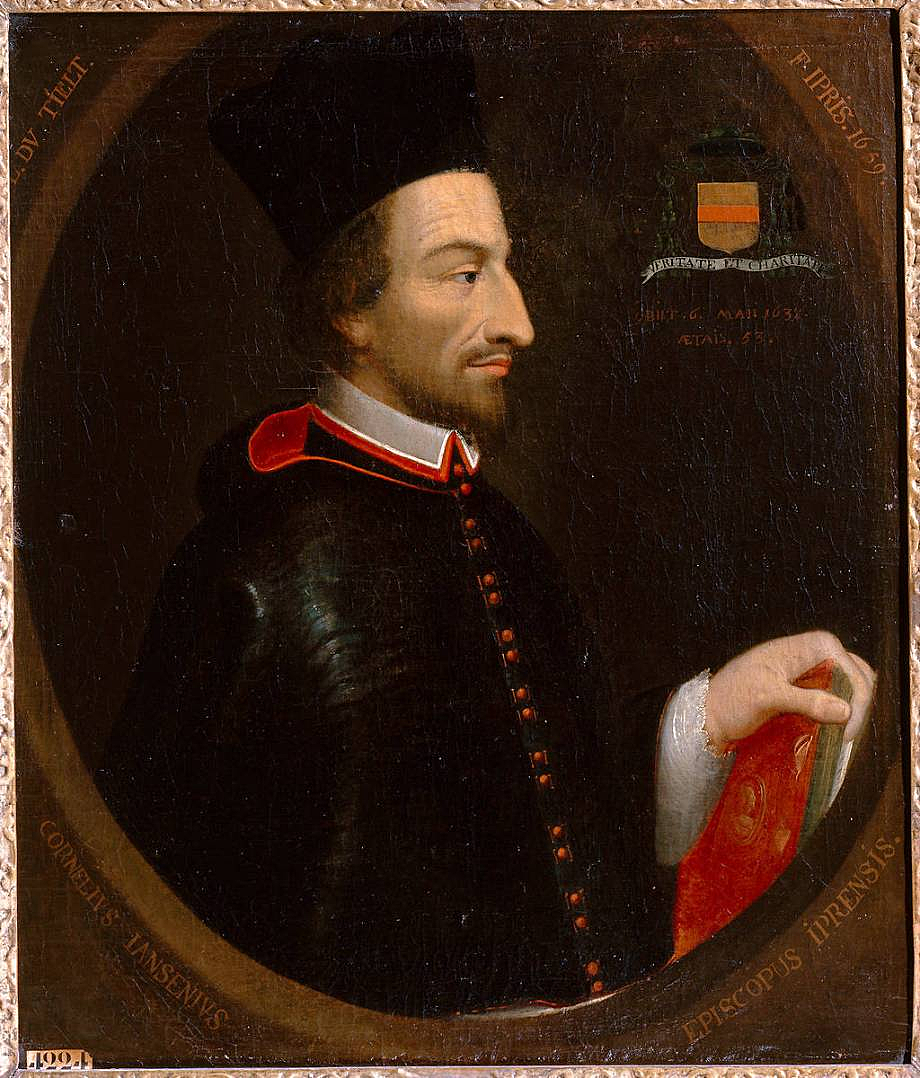
Jansenism was a 17th-century reform movement within Roman Catholicism that emphasized human depravity, the necessity of divine grace, moral rigor, and a return to the theology of Augustine of Hippo. Though it never formally separated from Rome as a distinct church, it provoked intense controversy, papal condemnations, and enduring debates about grace, free will, and ecclesiastical … Read More “What Is Jansenism? Origins, Theology, Conflict, and Legacy” »
Many people are surprised to learn that the Catholic Church is not monolithic. While the Roman Catholic Church is by far the largest and most visible expression of Catholicism, it exists alongside Eastern Catholic Churches that are fully Catholic yet distinctly Eastern in theology, worship, and practice. This post explains what separates Roman Catholic and Eastern Catholic traditions, why that separation … Read More “Roman Catholic and Eastern Catholic: What’s the Difference?” »
Development, Doctrine, and Devotion The veneration of saints is one of the most distinctive features of Roman Catholic Christianity. To critics, it has often appeared as an innovation or even a deviation from early Christian practice. To Catholics, it represents a natural outgrowth of core Christian convictions about the resurrection, the communion of believers, and … Read More “The Role of the Saints in Roman Catholic Theology” »
The First Vatican Council, better known as Vatican I, represents one of the most significant moments of self-definition in the modern history of the Roman Catholic Church. Meeting from 1869 to 1870, it set doctrinal boundaries that continue to shape Catholic theology, authority, and identity today. Though commonly remembered for defining papal infallibility, the council’s origins, purpose, … Read More “Vatican I: Origins, Decisions, and Lasting Impact” »
Since the early centuries of Christianity, men and women have sought to dedicate their lives wholly to God through religious communities. These communities, known as religious orders, have been central to the life of the Roman Catholic Church. They differ in their origins, missions, and styles of spirituality, but all share a commitment to prayer, service, … Read More “Major Roman Catholic Orders: Origins, Differences, and Their Role Today” »
The concept of purgatory is one of the more distinctive and complex doctrines in Christian theology, particularly within Roman Catholicism. It is not explicitly described in the Bible, but rather developed over centuries through theological reflection, liturgical practice, and ecclesiastical teaching. This blog post explores what purgatory means, how it originated, which biblical and theological sources it … Read More “The Development of the Concept of Purgatory: Origins, Theology, and Evolution” »