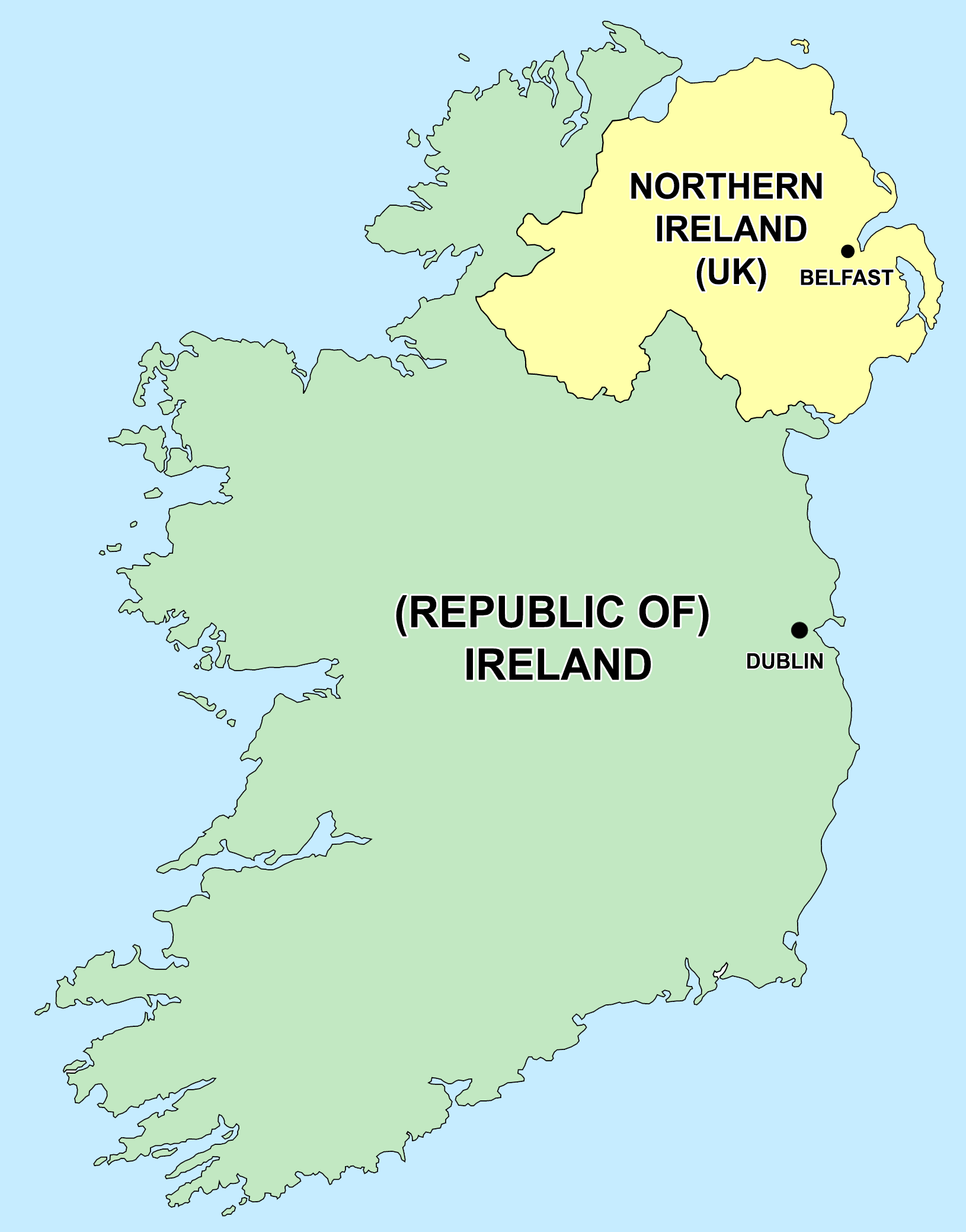
The Oxford Movement was one of the most influential religious revivals in nineteenth-century England. Emerging within the Church of England during the 1830s, it sought to recover the church’s ancient catholic identity, sacramental theology, and spiritual seriousness. What began as a small circle of scholars at the University of Oxford eventually reshaped Anglican worship, theology, architecture, and spirituality across … Read More “The Oxford Movement and the Renewal of Anglicanism” »
Category: English History
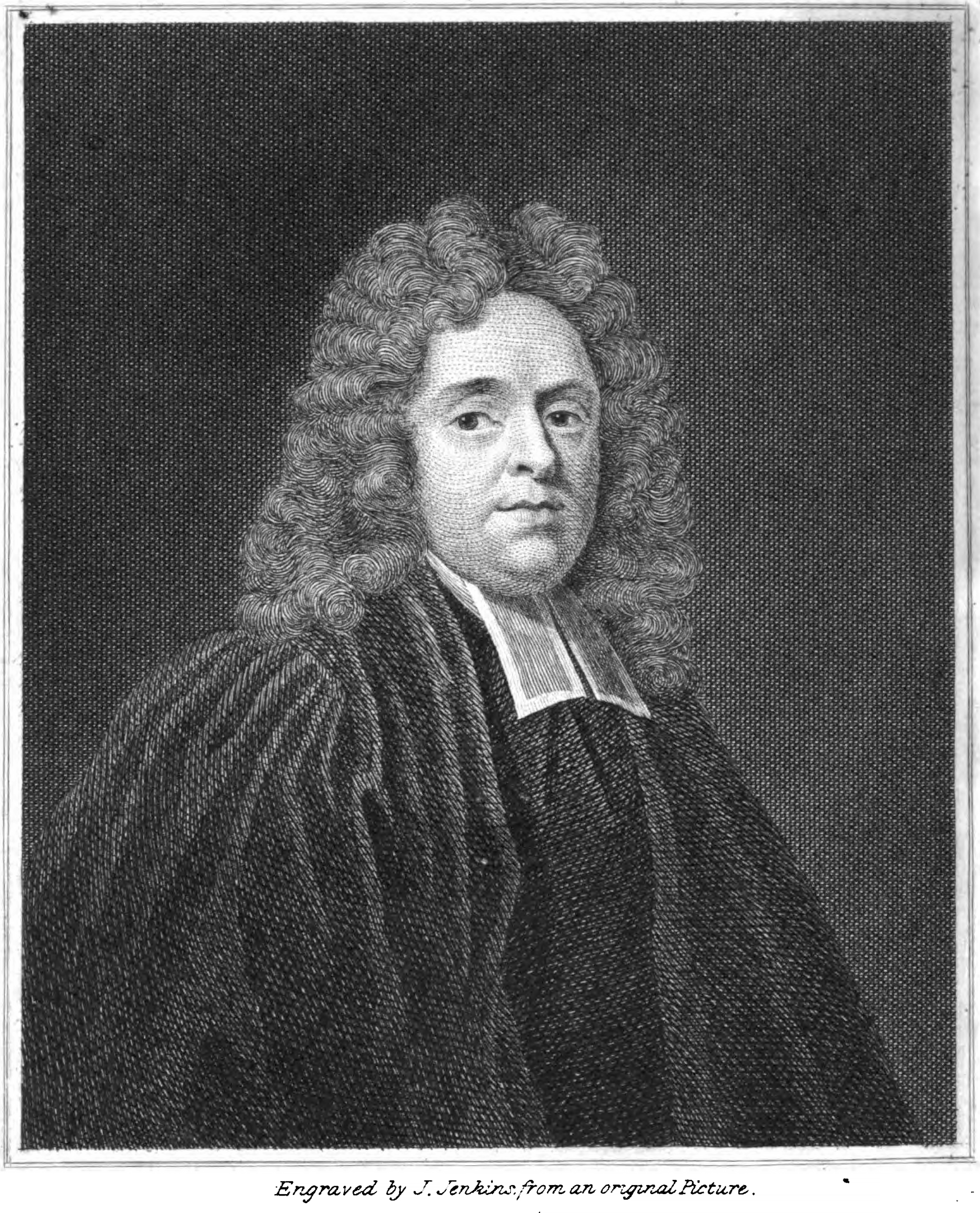
Among the great theologians of the Middle Ages, Anselm of Canterbury (c. 1033–1109) stands as one of the most important figures in Western Christian thought. A monk, philosopher, and archbishop, Anselm helped shape medieval theology through his profound reflections on faith, reason, and the nature of God. His writings continue to influence Christian philosophy, theology, and apologetics … Read More “Anselm of Canterbury: Faith Seeking Understanding” »
Few texts—outside of the Bible—have shaped English-speaking Christianity as profoundly as the Book of Common Prayer (BCP). It has influenced theology, worship, politics, literature, and even the English language itself. Its origins lie in the upheavals of the 16th-century Reformation, but its reach extends globally and across centuries. Understanding the Book of Common Prayer requires situating it within the … Read More “The Creation and Development of the Book of Common Prayer” »
Augustine of Canterbury (d. c. 604) stands at the beginning of organized Christianity in Anglo-Saxon England. Sent from Rome as a missionary rather than a theologian in the speculative sense, Augustine’s significance lies not in original doctrinal development but in institution-building, pastoral leadership, and the transmission of Roman Christianity to the English kingdoms. His work laid the … Read More “Augustine of Canterbury: Apostle to the English and Architect of Anglo-Saxon Christianity” »
The idea that Christmas has always been a universally beloved Christian holiday is a modern assumption. In seventeenth-century England and colonial New England, Christmas became the focus of intense religious and cultural conflict. For the Puritans, Christmas was not merely an innocent celebration but a symbol of theological error, moral excess, and unwanted continuity with … Read More “The Puritan War on Christmas” »
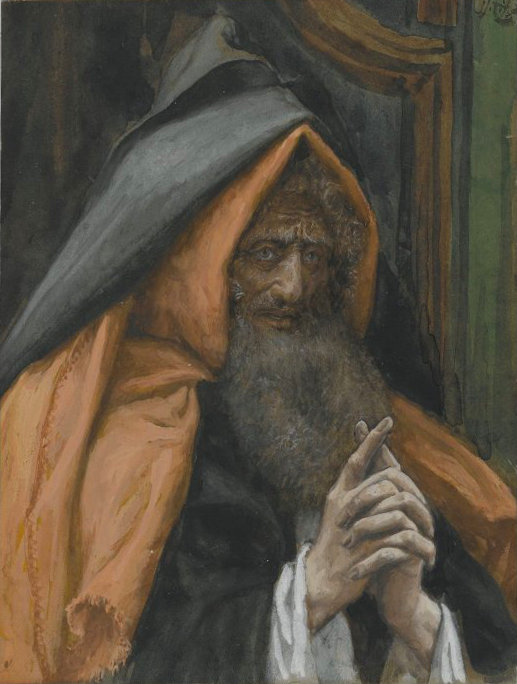
Joseph of Arimathea, a relatively minor biblical figure mentioned in the Gospels as the man who donated his tomb for the burial of Jesus, became the focus of a rich tapestry of Christian legend in the centuries following the New Testament period. These legends expanded dramatically beyond what the canonical Gospels recorded, casting Joseph as … Read More “The Legends of Joseph of Arimathea: Origins, Texts, and Significance” »
If someone asked you to name a Baptist, you might offer John the Baptist from the New Testament. Now John was not a Baptist in the modern sense, although there are Baptists who would disagree with that. However, one of the first modern Baptists was named John: John Smyth. What do we know about this … Read More “The Other John the Baptist” »
Have you ever read a professionally published book and been surprised to see a typo? You might be surprised that something like that could happen. Now imagine reading the Bible and finding a typo. We are not talking the misspelling of some Old Testament name. No this was something much more serious. Imagine a Bible … Read More “The Wicked Bible” »