Jansenism was a 17th-century reform movement within Roman Catholicism that emphasized human depravity, the necessity of divine grace, moral rigor, and a return to the theology of Augustine of Hippo. Though it never formally separated from Rome as a distinct church, it provoked intense controversy, papal condemnations, and enduring debates about grace, free will, and ecclesiastical authority.
To understand Jansenism, we must situate it within post-Reformation Catholicism, the rise of Jesuit influence, and the long-standing theological tensions surrounding Augustine.
Historical Background: Post-Reformation Catholicism
The 16th century fractured Western Christianity. In response to Protestant reform, the Roman Catholic Church initiated internal reform through the Council of Trent (1545–1563). Trent reaffirmed:
- The necessity of grace
- The reality of free will
- The sacraments
- The authority of the Church
However, within Catholic theology, questions about grace and predestination remained unsettled.
Two general tendencies emerged:
- Jesuit moral theology, often pastoral and flexible
- A more austere Augustinian current, emphasizing human corruption and the sovereignty of grace
Jansenism emerged from the latter.
The Founder: Cornelius Jansen
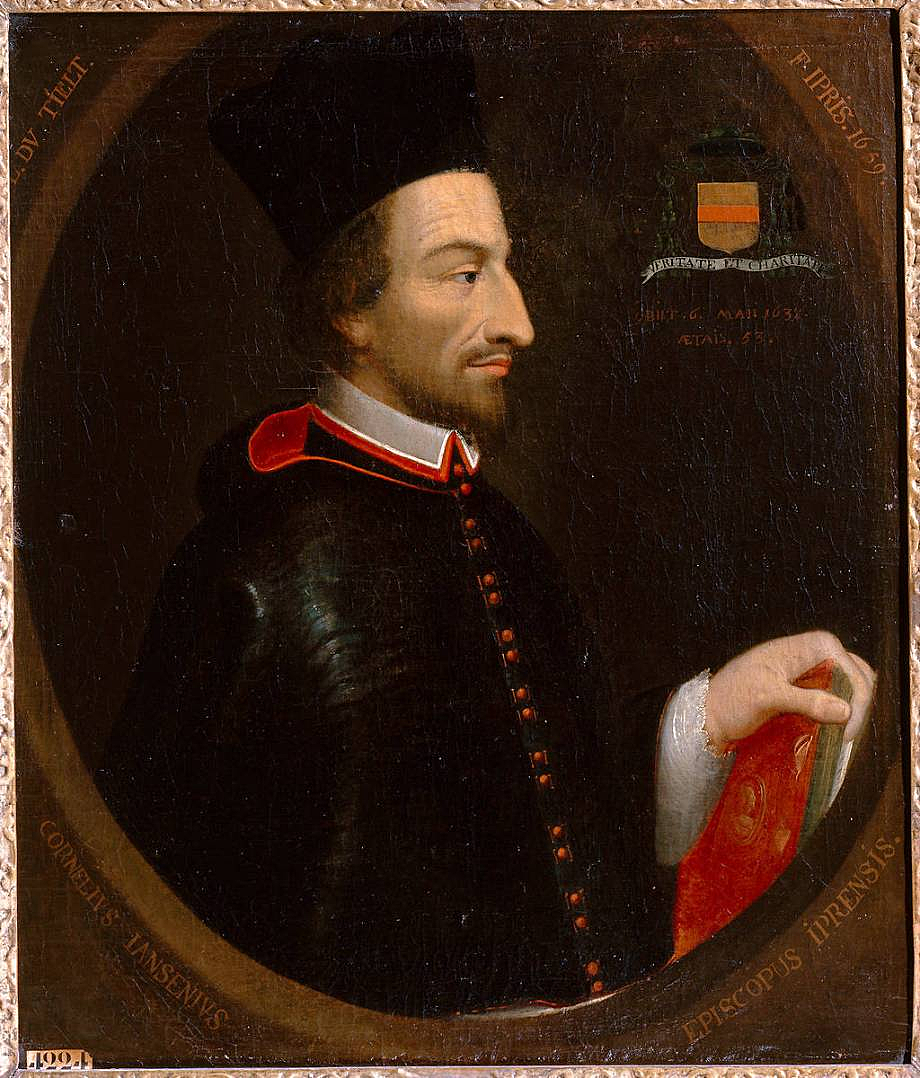
The movement takes its name from Cornelius Jansen (1585–1638), a Dutch theologian and bishop of Ypres.
Jansen devoted much of his life to studying Augustine’s anti-Pelagian writings. His major work, Augustinus, was published posthumously in 1640.
In it, Jansen argued that:
- Humanity after the Fall is radically corrupted.
- Only efficacious grace can move the human will toward salvation.
- Christ did not die equally for all in the same sense.
- Grace is irresistible when truly given.
His theological framework bore strong resemblance to certain Protestant (especially Calvinist) emphases, though Jansen himself considered his theology authentically Catholic and rooted in Augustine.
Theological Core of Jansenism
1. Radical Augustinianism
Jansenists stressed:
- Original sin as deeply damaging to human freedom
- The absolute necessity of grace
- Divine initiative in salvation
They rejected what they saw as semi-Pelagian tendencies in contemporary Catholic theology.
2. Efficacious Grace
Jansenists taught that when God gives true grace, it necessarily produces its intended effect. Human beings cannot ultimately resist efficacious grace.
This placed them in conflict with Jesuit theologians, who emphasized:
- Sufficient grace given to all
- Genuine human cooperation with grace
The debate mirrored, in some ways, Protestant–Catholic controversies.
3. Moral Rigorism
Jansenists were known for:
- Strict standards for receiving communion
- Deep suspicion of lax moral theology
- Emphasis on interior piety
They believed many Catholics approached the sacraments too casually.
Port-Royal: The Movement’s Center
The intellectual and spiritual center of Jansenism became the convent of Port-Royal in France.
Figures associated with Port-Royal included:
- Antoine Arnauld
- Blaise Pascal
Pascal’s Provincial Letters (1656–1657) sharply criticized Jesuit moral casuistry, defending Jansenist rigor and accusing Jesuits of moral laxity.
The controversy was not merely theological—it was political and ecclesiastical.
Conflict with Rome
Jansenism was formally condemned multiple times.
In 1653, Pope Innocent X condemned five propositions allegedly drawn from Jansen’s Augustinus. Jansenists responded by arguing that:
- The condemned propositions were not actually in Jansen’s text.
- Or they were misunderstood.
This dispute became known as the “formulary controversy.”
Later popes, including Clement XI, intensified condemnation. In 1713, the papal bull Unigenitus condemned 101 propositions from Jansenist-influenced writings.
By the early 18th century, Jansenism was officially suppressed within France, and Port-Royal was destroyed.
Interaction with Other Catholic Groups
1. The Jesuits
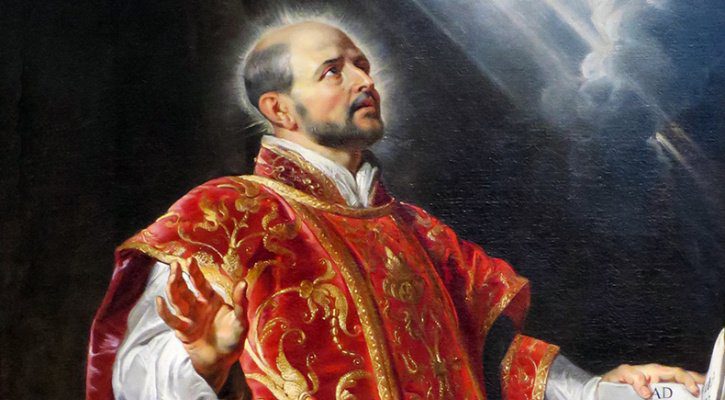
The most intense conflict was with the Society of Jesus (Jesuits).
Jesuits:
- Emphasized missionary engagement
- Developed casuistic moral theology
- Promoted Molinism (a theological system preserving human freedom within divine foreknowledge)
Jansenists accused Jesuits of theological compromise. Jesuits accused Jansenists of crypto-Calvinism.
2. Gallicanism
In France, Jansenism often aligned with Gallican tendencies—those favoring greater national church autonomy over papal centralization.
Thus, the controversy was not only theological but also about authority and ecclesiology.
3. Broader Catholic Reform
Some Catholic reformers appreciated Jansenism’s moral seriousness and call to authentic piety. However, its theological inflexibility and resistance to papal authority ultimately isolated it.
Was Jansenism Calvinist?
While similarities exist, Jansenism was not simply Catholic Calvinism.
Key differences:
- Jansenists retained sacramental theology.
- They did not reject Catholic ecclesial structure.
- They affirmed the authority of the Church—though often in tension with Rome.
Still, Protestant observers sometimes viewed them as theological allies.
Legacy of Jansenism
Though institutionally suppressed, Jansenism left a deep mark.
1. Influence on Spirituality
It shaped French Catholic spirituality with:
- Emphasis on seriousness
- Interior examination
- Fear of unworthy communion
Some critics argue it fostered scrupulosity and excessive rigor.
2. Contribution to Debates on Grace
The controversy forced Catholic theology to clarify:
- The relationship between grace and free will
- The meaning of efficacious grace
- The boundaries of acceptable Augustinianism
These debates influenced later Catholic theology, including 19th- and 20th-century ressourcement movements.
3. Political Impact
In France, Jansenism intersected with Enlightenment currents and resistance to absolutist monarchy. Some historians argue it indirectly contributed to intellectual conditions preceding the French Revolution.
4. Long-Term Ecclesial Impact
While formal Jansenist communities largely disappeared, echoes of its rigorism persisted in certain Catholic devotional cultures into the 19th and early 20th centuries.
In contrast, modern Catholic sacramental practice generally reflects a more frequent-communion theology encouraged by figures like Pope Pius X.
Conclusion
Jansenism was a reform movement born from a desire to recover Augustine’s teaching on grace in a post-Reformation Catholic world. It emphasized human depravity, divine sovereignty, moral seriousness, and spiritual authenticity.
However, its theology of grace, perceived proximity to Protestant thought, and resistance to papal authority led to repeated condemnation.
Its legacy is complex:
- Theologically significant
- Spiritually intense
- Politically entangled
- Ultimately marginalized
Yet its debates over grace and freedom continue to resonate in Christian theology today.
Timeline of the Jansenist Controversy
This timeline traces the development of Jansenism from its intellectual roots in late 16th-century Augustinian theology through its formal condemnations and long-term legacy in the 18th century.
Late 16th – Early 17th Century: Theological Background
1545–1563 — Council of Trent
The Council responds to Protestantism and affirms both the necessity of grace and the reality of human free will. However, it does not definitively settle debates about how grace operates.
Late 1500s — De Auxiliis Controversy
Debates between Dominicans and Jesuits over grace and free will intensify. The Jesuit position, associated with Luis de Molina, emphasizes human cooperation with grace. The dispute remains unresolved but sets the stage for later controversy.
1585–1638: Life of Cornelius Jansen
1585 — Birth of Cornelius Jansen
Born in the Spanish Netherlands (modern Belgium).
Early 1600s — Collaboration with Jean du Vergier de Hauranne
Jansen and his close associate (later known as the Abbé de Saint-Cyran) study Augustine intensively, especially anti-Pelagian works.
1638 — Death of Jansen
Jansen dies before his major theological work is published.
1640: Publication of Augustinus
1640 — Augustinus published (posthumously)
Jansen’s three-volume work argues for:
- Radical human corruption after the Fall
- The necessity of efficacious grace
- The irresistibility of true grace
The work sparks immediate controversy in France and the Low Countries.
1640s–1650s: Escalating Conflict
1643 — Rise of Port-Royal Influence
The convent of Port-Royal becomes the intellectual and spiritual center of Jansenism.
Key figures include:
- Antoine Arnauld
- Blaise Pascal
1653 — Papal Condemnation (Cum Occasione)
Pope Innocent X condemns five propositions said to be drawn from Augustinus. The propositions concern grace, free will, and predestination.
Jansenists respond by claiming:
- The propositions are heretical if understood as stated
- But Jansen did not actually teach them in that sense
This launches the “Formulary Controversy.”
1656–1657: Pascal’s Defense
1656–1657 — Pascal publishes Provincial Letters
Pascal defends Jansenist theology and attacks Jesuit moral casuistry. The letters become widely influential and damage the public reputation of the Jesuits in France.
1660s–1680s: Royal and Papal Pressure
1661 — Death of Mazarin; rise of Louis XIV’s consolidation of power
King Louis XIV increasingly supports suppression of Jansenism, viewing it as politically destabilizing.
1660s — Signing of the Formulary
Clergy are required to sign a statement accepting the papal condemnation of Jansenist propositions. Some Jansenists resist.
1669 — “Peace of the Church”
A temporary reconciliation between Rome and moderate Jansenists.
Early 18th Century: Final Condemnations
1709 — Destruction of Port-Royal
By order of Louis XIV, the convent of Port-Royal is suppressed and later demolished.
1713 — Papal Bull Unigenitus
Pope Clement XI condemns 101 propositions from the writings of Pasquier Quesnel, a later Jansenist theologian. This effectively marks the decisive suppression of Jansenism in France.
Mid–Late 18th Century: Residual Influence
1730 — Unigenitus registered in France as law
Resistance continues among some clergy and laity.
Late 1700s — Jansenist Influence in Reform Movements
Jansenist sympathies appear in some Gallican and anti-ultramontane circles.
Though no longer an organized movement, Jansenist theological emphases persist in certain devotional cultures.
Summary Phases of the Controversy
Phase 1 (1585–1640): Intellectual Formation
Jansen studies Augustine and formulates theological arguments.
Phase 2 (1640–1660s): Public Explosion
Publication of Augustinus, papal condemnations, Pascal’s defense.
Phase 3 (1660s–1713): Suppression
Royal and papal action against Port-Royal and Jansenist clergy.
Phase 4 (After 1713): Residual Influence
The movement declines institutionally but leaves theological and spiritual marks on Catholicism.