
The Second Vatican Council—commonly known as Vatican II—was one of the most significant religious events of the 20th century. Convened between 1962 and 1965, it dramatically reshaped the theology, liturgy, and global posture of the Roman Catholic Church. More than a simple update of practices, Vatican II represented a deep engagement with the modern world and a call to renewal from within.
The Road to Vatican II: Historical Context
By the mid-20th century, the Catholic Church faced a rapidly changing world. The aftermath of World War II, the horrors of the Holocaust, the rise of atheistic communism, and sweeping societal transformations presented the Church with new challenges. Despite holding firm to traditional teachings, many within the Church recognized a growing disconnect between ecclesial structures and the realities of modern life.
The previous ecumenical council, Vatican I (1869–1870), had ended abruptly due to political turmoil and left many issues unaddressed—particularly the role of bishops, the laity, and the Church’s relationship to modernity.
Into this context stepped Pope John XXIII, elected in 1958 at the age of 76. Many assumed he would be a transitional pope. Instead, he surprised the world by calling for an ecumenical council to renew the Church’s mission and spirit.
Key Figures of Vatican II
- Pope John XXIII: The visionary who convened the council in 1959. He called it a “pastoral” council meant to bring aggiornamento—an updating of the Church. He passed away in 1963 after the first session.
- Pope Paul VI: His successor, who continued and concluded the council, and ensured implementation of its decisions.
- Cardinal Suenens (Belgium): A strong advocate of reform and a leading voice for dialogue with the modern world.
- Cardinal Joseph Frings (Germany): His theological advisor, Joseph Ratzinger (future Pope Benedict XVI), became influential during the council.
- Bishop Karol Wojtyła (Poland): The future Pope John Paul II, who contributed to the documents on religious freedom and the Church in the modern world.
- Yves Congar, Henri de Lubac, Karl Rahner: Prominent theologians whose ideas shaped many of the council’s teachings.
What Did Vatican II Teach?
Vatican II produced 16 documents: four constitutions, nine decrees, and three declarations. These texts addressed nearly every dimension of Catholic life. Some of the most significant teachings include:
1. Liturgy and Worship
- Sacrosanctum Concilium reformed the Mass, allowing the use of vernacular languages instead of Latin, and encouraging active participation by the laity.
2. Nature of the Church
- Lumen Gentium described the Church as the People of God, emphasizing collegiality among bishops and acknowledging holiness among all believers, not just clergy and religious.
3. Revelation and Scripture
- Dei Verbum affirmed the importance of Scripture, encouraging greater access to and study of the Bible, and defined the relationship between Scripture and Tradition.
4. Church in the Modern World
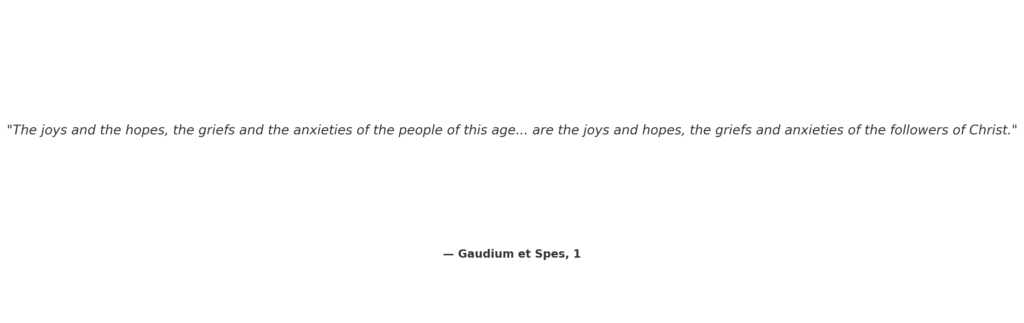
- Gaudium et Spes opened the Church to dialogue with contemporary society, addressing issues such as poverty, war, culture, and the dignity of human work.
5. Ecumenism and Religious Freedom
- Unitatis Redintegratio urged greater unity among Christian denominations.
- Nostra Aetate transformed Catholic attitudes toward non-Christian religions, especially Judaism, rejecting antisemitism and affirming shared values.
- Dignitatis Humanae affirmed the right to religious freedom, a major shift from earlier teachings.
Reaction to Vatican II
The response to Vatican II was mixed and sometimes polarized:
- Enthusiastic support came from many bishops, theologians, and laypeople who embraced the spirit of renewal and reform.
- Conservative critics feared the council introduced too much change or ambiguity, leading to confusion and loss of identity. Figures like Archbishop Marcel Lefebvre would eventually break from the Church, founding the Society of St. Pius X in protest.
- Progressives argued the reforms didn’t go far enough, especially regarding clerical celibacy, the role of women, and lay authority.
Despite the debate, Vatican II energized a new wave of lay involvement, ecumenical initiatives, and engagement with contemporary issues. It also triggered reforms in seminary education, Catholic social teaching, and liturgical music.
Vatican II’s Legacy Today
Today, every aspect of Catholic life bears the mark of Vatican II. Some ongoing effects include:
- Mass in the vernacular is now standard across the world.
- The Church is more engaged in interfaith dialogue and social justice efforts.
- Lay leadership in parishes and Catholic organizations has grown.
- Theological development continues to be guided by the council’s emphasis on Scripture, Tradition, and dialogue with the modern world.
However, the council’s implementation remains a point of contention. Some Catholics long for a return to pre-Vatican II liturgy and discipline, while others push for more radical reforms in its spirit. Pope Francis, for example, often cites Vatican II in his calls for a synodal, inclusive, and outward-facing Church.
Conclusion: A Council Still Unfolding
Vatican II was not the end of Catholic tradition but its deep renewal. It called the Church to open its windows to the world—not to conform to it, but to engage it with faith, hope, and love. Sixty years later, its vision still stirs debate, inspires reform, and defines the Catholic Church’s path forward.
As Pope John XXIII said at the council’s opening:
“The Church should never depart from the sacred patrimony of truth, but at the same time it must look to the present, to the new conditions and new forms of life.”



I knew the before and now the after. Is the Church as vibrant as before or better?