The Presbyterian Church is one of the major branches of Protestant Christianity and has played a profound role in shaping theology, governance, and culture—especially in Scotland and countries influenced by Scottish migration. Rooted in the Reformation of the 16th century, Presbyterianism is marked by a distinctive form of church government and a strong emphasis on … Read More “The Origins and Development of the Presbyterian Church” »
Episodes and Posts
The concept of purgatory is one of the more distinctive and complex doctrines in Christian theology, particularly within Roman Catholicism. It is not explicitly described in the Bible, but rather developed over centuries through theological reflection, liturgical practice, and ecclesiastical teaching. This blog post explores what purgatory means, how it originated, which biblical and theological sources it … Read More “The Development of the Concept of Purgatory: Origins, Theology, and Evolution” »
The Kebra Nagast (often translated as The Glory of Kings) is one of the most important literary and religious texts in Ethiopian history. Deeply revered by the Ethiopian Orthodox Church, this ancient work is more than a national epic—it is a theological cornerstone, a royal chronicle, and a symbol of African identity. Though it may not be widely … Read More “The Kebra Nagast: Ethiopia’s Sacred Royal Epic” »
Methodism is one of the most influential and widespread Protestant movements in Christian history. Emerging in the 18th century as a revivalist movement within the Church of England, Methodism quickly grew into a global religious tradition, driven by the fervent preaching, theological contributions, and organizational innovations of John and Charles Wesley. Over time, it diversified … Read More “The Development of Methodism” »
In the annals of medieval history, few figures are as simultaneously celebrated and controversial as Peter the Hermit. A charismatic preacher and an unlikely leader, Peter played a pivotal role in launching what would become the First Crusade. Though not a military man or noble, his influence on Christian Europe and its fervor for reclaiming the … Read More “Peter the Hermit: The Preacher of the People’s Crusade” »
You will frequently hear claims that the church unanimously rejected military service for Christians right until the time of Constantine. The reality is much more nuianced. Many years ago, German theologian Adolph von Harnack wrote a short work called Militia Christi (Amazon affiliate link) in which he worked out what was actually said about military … Read More “Militia Christi – Review” »
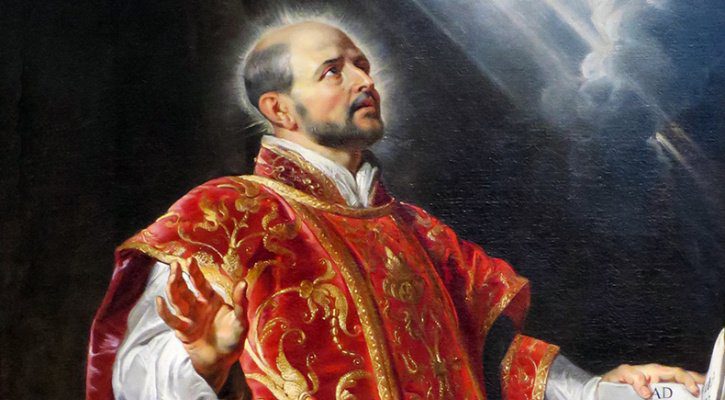
The 16th century was a time of enormous upheaval for Western Christianity. With Martin Luther’s posting of his 95 Theses in 1517, a movement began that would fracture the Western Church and give birth to Protestantism. The Roman Catholic Church, far from remaining passive in the face of this challenge, launched its own internal reform … Read More “The Counter-Reformation: The Catholic Church’s Response to the Reformation” »
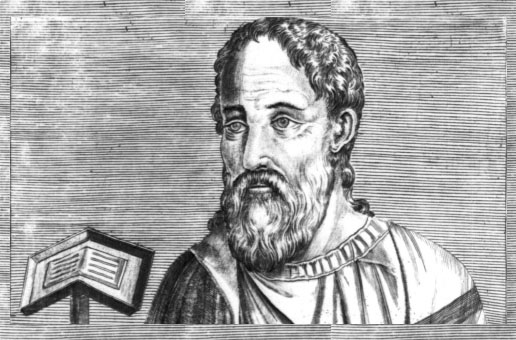
One of our most important sources for Christian history is Eusebius of Caesarea. While he gives us information going back to the time of the Apostles, he is most valuable for what he shares about his own time, that of the fourth century and the time of Constantine the Great. In this episode, we look … Read More “Episode 68 – Eusebius of Caesarea: The Father of Church History” »
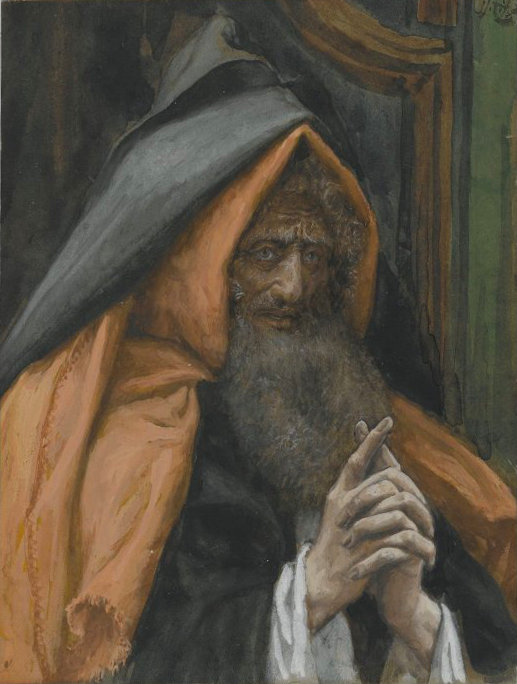
Joseph of Arimathea, a relatively minor biblical figure mentioned in the Gospels as the man who donated his tomb for the burial of Jesus, became the focus of a rich tapestry of Christian legend in the centuries following the New Testament period. These legends expanded dramatically beyond what the canonical Gospels recorded, casting Joseph as … Read More “The Legends of Joseph of Arimathea: Origins, Texts, and Significance” »
The Second Vatican Council—commonly known as Vatican II—was one of the most significant religious events of the 20th century. Convened between 1962 and 1965, it dramatically reshaped the theology, liturgy, and global posture of the Roman Catholic Church. More than a simple update of practices, Vatican II represented a deep engagement with the modern world and … Read More “Vatican II: The Council That Changed the Catholic Church” »