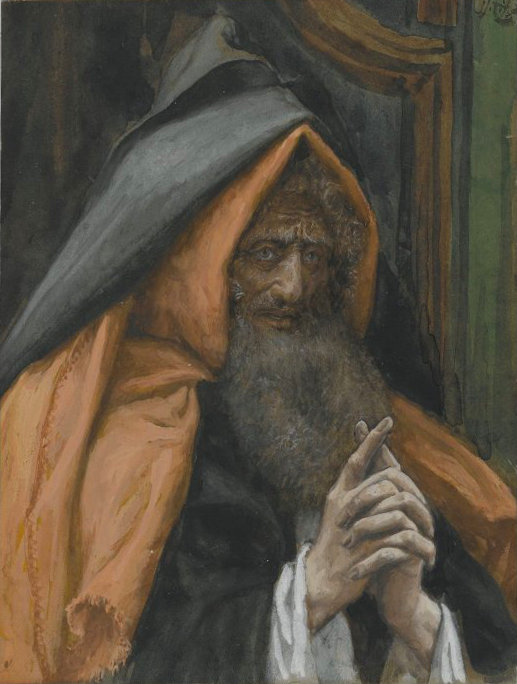
Joseph of Arimathea, a relatively minor biblical figure mentioned in the Gospels as the man who donated his tomb for the burial of Jesus, became the focus of a rich tapestry of Christian legend in the centuries following the New Testament period. These legends expanded dramatically beyond what the canonical Gospels recorded, casting Joseph as a missionary, relic-bearer, and even a Grail-keeper. This blog post explores the development of these legends, the texts from which they emerged, and why they gained popularity across medieval Europe.
Biblical Foundation
The canonical Gospels describe Joseph of Arimathea as a wealthy member of the Sanhedrin who, after the crucifixion of Jesus, boldly asked Pilate for his body and laid it in a new tomb (e.g., Matthew 27:57–60; Mark 15:42–47; Luke 23:50–56; John 19:38–42). He is portrayed as a secret disciple of Jesus who played a crucial role in the burial narrative. However, beyond this act, Scripture is silent about his later life.
Early Christian Traditions (2nd–4th Centuries)
The earliest non-biblical mentions of Joseph of Arimathea appear in apocryphal and patristic writings:
- The Gospel of Nicodemus (also called the Acts of Pilate, 4th century but based on earlier sources) expands Joseph’s role, describing him as being imprisoned by the Jewish leaders for his support of Jesus and miraculously released. This text helped frame Joseph as a martyr-like figure.
- The Doctrine of Addai (late 2nd to early 3rd century), a Syriac Christian text, alludes to apostolic missions to distant lands, preparing a backdrop for later missionary legends.
While these texts don’t yet include the more fantastic legends, they lay the groundwork for Joseph’s sanctity and importance beyond the Gospels.
Medieval Legends and the Grail (12th–13th Centuries)
The most influential legends about Joseph of Arimathea developed in the medieval period, particularly in Britain and France. These legends combined Christian devotion, Celtic myth, and chivalric ideals.
1. Joseph Brings Christianity to Britain
One of the earliest legends situates Joseph as a missionary to Britain:
- William of Malmesbury’s De Antiquitate Glastoniensis Ecclesiae (early 12th century) claims that Joseph traveled to Britain and founded a church at Glastonbury, Somerset. Though William is cautious and attributes the story to popular tradition, this claim became widely accepted in England.
- The Glastonbury Legend eventually held that Joseph brought two cruets containing the blood and sweat of Christ to Britain and planted a staff that miraculously bloomed into the Glastonbury Thorn.
This legend served political and ecclesiastical purposes, enhancing the prestige of Glastonbury Abbey and reinforcing Britain’s Christian antiquity during periods of church competition and reform.
2. Joseph and the Holy Grail
The most famous set of legends links Joseph to the Holy Grail—the cup used by Christ at the Last Supper and said to have caught his blood during the crucifixion.
- Robert de Boron’s Joseph d’Arimathie (late 12th century) is the key source for this development. In this Old French poem, Joseph receives the Grail from an apparition of Christ and uses it to sustain himself while imprisoned. Eventually, he sends the Grail westward with his family, entrusting its guardianship to his descendants.
- In later Vulgate Cycle romances (13th century), Joseph or his followers are portrayed as the first Grail-keepers, linking him directly to the Arthurian legends and the mystical Christian past of Britain.
These Grail legends blended chivalric values with Christian mysticism, elevating Joseph’s role from passive participant in Jesus’ burial to a central figure in salvation history.
Why Were These Legends Popular?
Several factors contributed to the popularity and endurance of these legends:
- National Identity and Prestige: In medieval England, associating Joseph with Glastonbury offered an ancient Christian pedigree rivaling Rome or Constantinople. It provided a theological justification for English Christianity’s independence.
- Pilgrimage and Relics: Glastonbury Abbey became a major pilgrimage site, in part due to its alleged connection to Joseph and the Grail. Legends supported economic and religious interests.
- Mystical and Esoteric Appeal: The Grail legends resonated with the medieval fascination with sacred objects, divine mysteries, and secret knowledge. Joseph became a vessel for these themes.
- Literary Expansion: As romance literature flourished, especially in France and Britain, writers found in Joseph a flexible figure who could bridge biblical history with the epic narratives of King Arthur and his knights.
Conclusion
From a silent biblical figure to a central actor in some of Christianity’s most mystical legends, Joseph of Arimathea’s story reflects the medieval imagination at work. Through texts like the Gospel of Nicodemus, Robert de Boron’s Joseph d’Arimathie, and the Glastonbury traditions, Joseph was reimagined to meet the religious, cultural, and national needs of the time. Whether as the first missionary to Britain or the guardian of the Holy Grail, Joseph’s legend became a powerful symbol of faith, mystery, and divine destiny.
Sources:
- Robert de Boron, Joseph d’Arimathie (c. 1190–1210)
- Gospel of Nicodemus (4th century)
- William of Malmesbury, De Antiquitate Glastoniensis Ecclesiae (early 12th century)
- Vulgate Cycle of Arthurian Romances (13th century)