The 16th century was a time of enormous upheaval for Western Christianity. With Martin Luther’s posting of his 95 Theses in 1517, a movement began that would fracture the Western Church and give birth to Protestantism. The Roman Catholic Church, far from remaining passive in the face of this challenge, launched its own internal reform movement known as the Counter-Reformation, also called the Catholic Reformation. This movement not only responded to the critiques raised by the Protestant Reformers but also initiated profound spiritual renewal within the Church—some aspects of which continue to shape Catholicism today.
What Was the Counter-Reformation?
The Counter-Reformation refers to the period of Catholic revival and reform beginning in the mid-16th century, as a direct response to the Protestant Reformation. While some reforms had been discussed earlier, the urgency intensified after Protestantism spread rapidly across parts of Europe. The Counter-Reformation sought to address the theological challenges posed by Protestant reformers, correct abuses within the Church, and reaffirm the doctrines and practices of Roman Catholicism.
The movement had multiple dimensions:
- Doctrinal Clarification: Reaffirming core Catholic teachings.
- Institutional Reform: Addressing corruption, abuses, and lax discipline among clergy.
- Spiritual Renewal: Emphasizing personal piety, education, and missionary zeal.
- Opposition to Protestantism: Combating heresy and attempting to reconvert areas lost to Protestantism.
Response to Protestant Critiques
The Protestant Reformation had raised numerous issues, including:
- Abuse of indulgences
- Clerical corruption and immorality
- Doctrinal confusion
- Poorly educated clergy
- Centralization of Church authority
The Catholic Church responded by:
- Ending the sale of indulgences and clarifying their proper use.
- Enforcing stricter standards for bishops and priests, including residency requirements and moral conduct.
- Reaffirming Catholic doctrine, including the authority of the Pope, the seven sacraments, the role of tradition alongside Scripture, and the doctrine of transubstantiation.
- Improving clergy education through the establishment of seminaries.
The Council of Trent (1545–1563)
The centerpiece of the Counter-Reformation was the Council of Trent, held in several sessions between 1545 and 1563. It was convened to address both theological disputes and the internal need for reform.
Key achievements of the Council included:
- Reaffirmation of traditional Catholic doctrines (e.g., justification by faith and works, the authority of the Church, the importance of the sacraments).
- Standardization of the Mass and Church liturgy, leading to the development of the Tridentine Mass.
- Decrees on the education and moral conduct of clergy.
- Promotion of better catechesis and preaching.
- Condemnation of Protestant doctrines as heretical.
The Council of Trent became a foundational moment for modern Catholicism, shaping doctrine and practice for centuries.
Prominent Figures of the Counter-Reformation
Several key individuals played crucial roles in revitalizing the Catholic Church during this period:
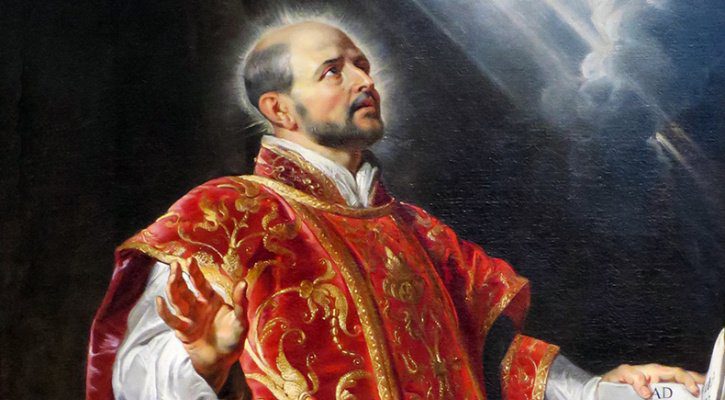
St. Ignatius of Loyola (1491–1556)
- Founder of the Society of Jesus (Jesuits), a new religious order that emphasized education, missionary work, and loyalty to the Pope.
- Author of The Spiritual Exercises, a guide to deep personal spiritual development.
St. Teresa of Ávila (1515–1582) and St. John of the Cross (1542–1591)
- Spanish mystics and reformers of the Carmelite order, who emphasized prayer, contemplation, and spiritual renewal.
St. Charles Borromeo (1538–1584)
- Archbishop of Milan and major figure in implementing the reforms of the Council of Trent.
- Worked to improve clergy education, discipline, and pastoral care.
St. Francis de Sales (1567–1622)
- A gentle apologist and evangelist who sought to reconvert Protestants in Switzerland through persuasion and charity, not violence.
Pope Paul III (r. 1534–1549)
- Initiated the Council of Trent and began serious reforms at the top levels of the Church hierarchy.
Lasting Legacies of the Counter-Reformation
The effects of the Counter-Reformation are still visible in the Catholic Church today:
- Seminary Training: The requirement for formal priestly education remains central to Catholic formation.
- Religious Orders: The Jesuits continue to be a major force in Catholic education and missions around the world.
- Spiritual Devotion: Emphasis on personal piety, devotions (like the Rosary and Eucharistic adoration), and mystical theology continue to shape Catholic spirituality.
- Catechesis: The tradition of systematic instruction in the faith, including through catechisms, began in earnest during the Counter-Reformation and continues today.
- Sacramental Theology: The reaffirmation of the sacraments’ importance remains foundational in Catholic worship and belief.
- Global Catholicism: Missionary efforts launched during the Counter-Reformation helped spread Catholicism throughout Latin America, Africa, and Asia.
Conclusion
The Counter-Reformation was not merely a defensive response to Protestantism—it was also a bold internal renewal that transformed the Catholic Church. While it did seek to correct abuses and defend doctrine, it also reenergized Catholic spiritual life, strengthened church structures, and propelled Catholicism onto the global stage. In many ways, the modern Catholic Church is the product of this era of profound transformation. Through saints, scholars, and reformers, the Counter-Reformation ensured that the Church would not only survive the crisis of the 16th century—but emerge with a renewed sense of purpose that continues to shape it today.