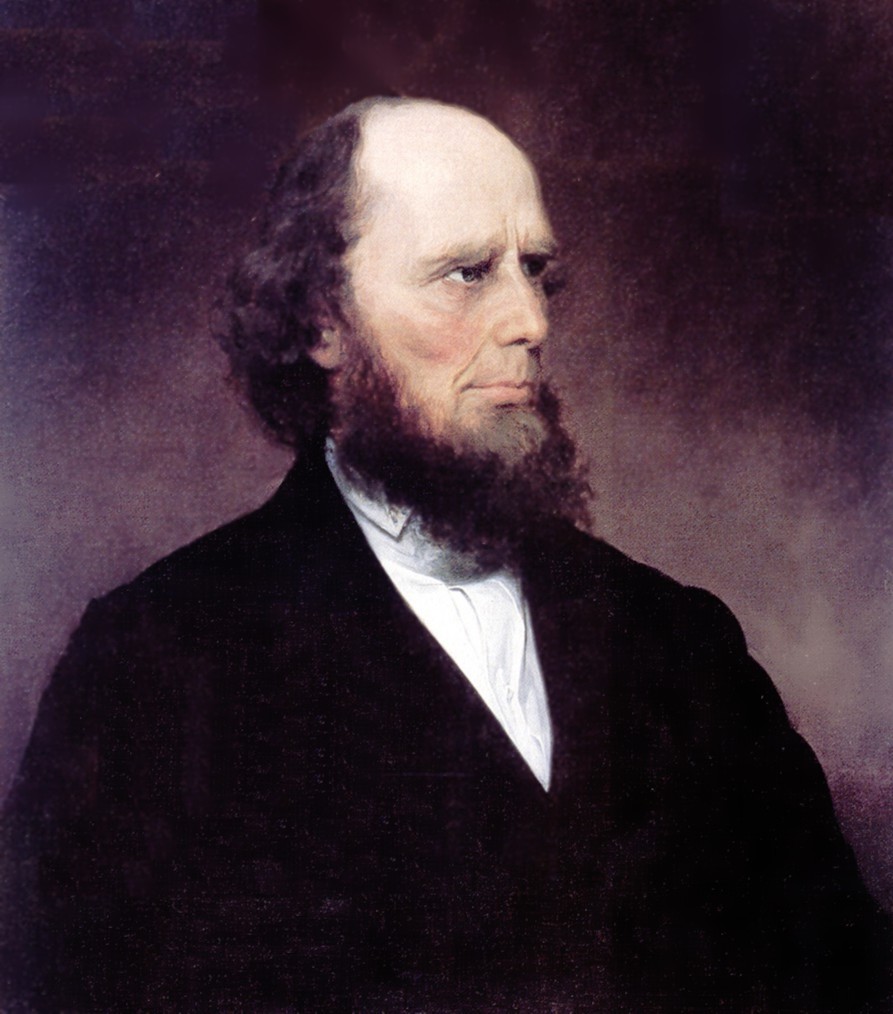
Few figures shaped American Christianity as dramatically—or as controversially—as Charles Grandison Finney. A central leader of the 19th-century revival movement, Finney helped redefine how many Protestants understood conversion, evangelism, and the role of human choice in salvation. Historical Context: The Second Great Awakening Finney’s life and ministry unfolded during the Second Great Awakening (early 1800s), a period marked … Read More “Who Was Charles Finney? Revivalist, Reformer, and Controversial Theologian” »
Year: 2026
Lebanon is one of the oldest centers of Christianity in the world. Long before much of Europe embraced the faith, Christian communities were already flourishing along the eastern Mediterranean coast. Today, Christianity remains a defining element of Lebanese identity, woven deeply into its culture, politics, and history. Early Christianity in the Region Christianity reached the … Read More “Christianity in Lebanon: A Living History of Faith, Diversity, and Resilience” »
Few figures have shaped Christian thought as profoundly as Thomas Aquinas. Living in the 13th century, Aquinas stands as one of the most influential theologians and philosophers in Western history. His work continues to shape religious, philosophical, and ethical discussions even today. Historical Context: The World of the 13th Century Thomas Aquinas was born in 1225 … Read More “Who Was Thomas Aquinas? A Giant of Theology and Philosophy” »
Few figures in early Christianity combine intellectual brilliance, spiritual depth, and personal courage quite like Maximus the Confessor (c. 580–662). Living during a time of intense theological controversy, Maximus became one of the most important defenders of orthodox Christology in the Eastern Christian tradition—and paid a heavy price for it. Historical and Religious Context Maximus lived in … Read More “Who Was Maximus the Confessor?” »
In the history of Christianity, certain theologians and teachers have been recognized for their extraordinary contributions to the understanding of the faith. In the Catholic tradition, these figures are known as Doctors of the Church—a title given to saints whose writings and teachings have had a lasting and universal impact on Christian theology. The title does … Read More “What Are the Doctors of the Church?” »
Among the great theologians of the Middle Ages, Anselm of Canterbury (c. 1033–1109) stands as one of the most important figures in Western Christian thought. A monk, philosopher, and archbishop, Anselm helped shape medieval theology through his profound reflections on faith, reason, and the nature of God. His writings continue to influence Christian philosophy, theology, and apologetics … Read More “Anselm of Canterbury: Faith Seeking Understanding” »
The Presbyterian Church (USA), often abbreviated PC(USA), is one of the largest Presbyterian denominations in the United States and part of the broader Reformed Protestant tradition. Known for its emphasis on theological reflection, education, and social engagement, the denomination has a long and complex history that stretches back to the Protestant Reformation. For Christians seeking to understand … Read More “The Presbyterian Church (USA): Origins, Beliefs, and Distinctives” »
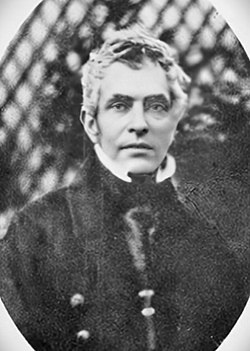
The Plymouth Brethren emerged in the early nineteenth century as part of a broader wave of religious renewal and dissatisfaction with established churches. Known for their emphasis on simplicity in worship, biblical authority, and lay leadership, the movement became one of the most influential currents in modern evangelical Christianity. Despite beginning as a relatively small fellowship movement, … Read More “The History of the Plymouth Brethren” »
Christianity has an ancient and enduring presence in the lands of Persia and modern Iran. Though always a minority faith, Christians have played significant roles in the social, cultural, and religious life of the region—from early missionary expansion across Asia, through periods of persecution, coexistence under Islamic rule, and up to the challenges and developments … Read More “Christianity in Persia and Iran: A Long and Complex History” »
Jansenism was a 17th-century reform movement within Roman Catholicism that emphasized human depravity, the necessity of divine grace, moral rigor, and a return to the theology of Augustine of Hippo. Though it never formally separated from Rome as a distinct church, it provoked intense controversy, papal condemnations, and enduring debates about grace, free will, and ecclesiastical … Read More “What Is Jansenism? Origins, Theology, Conflict, and Legacy” »