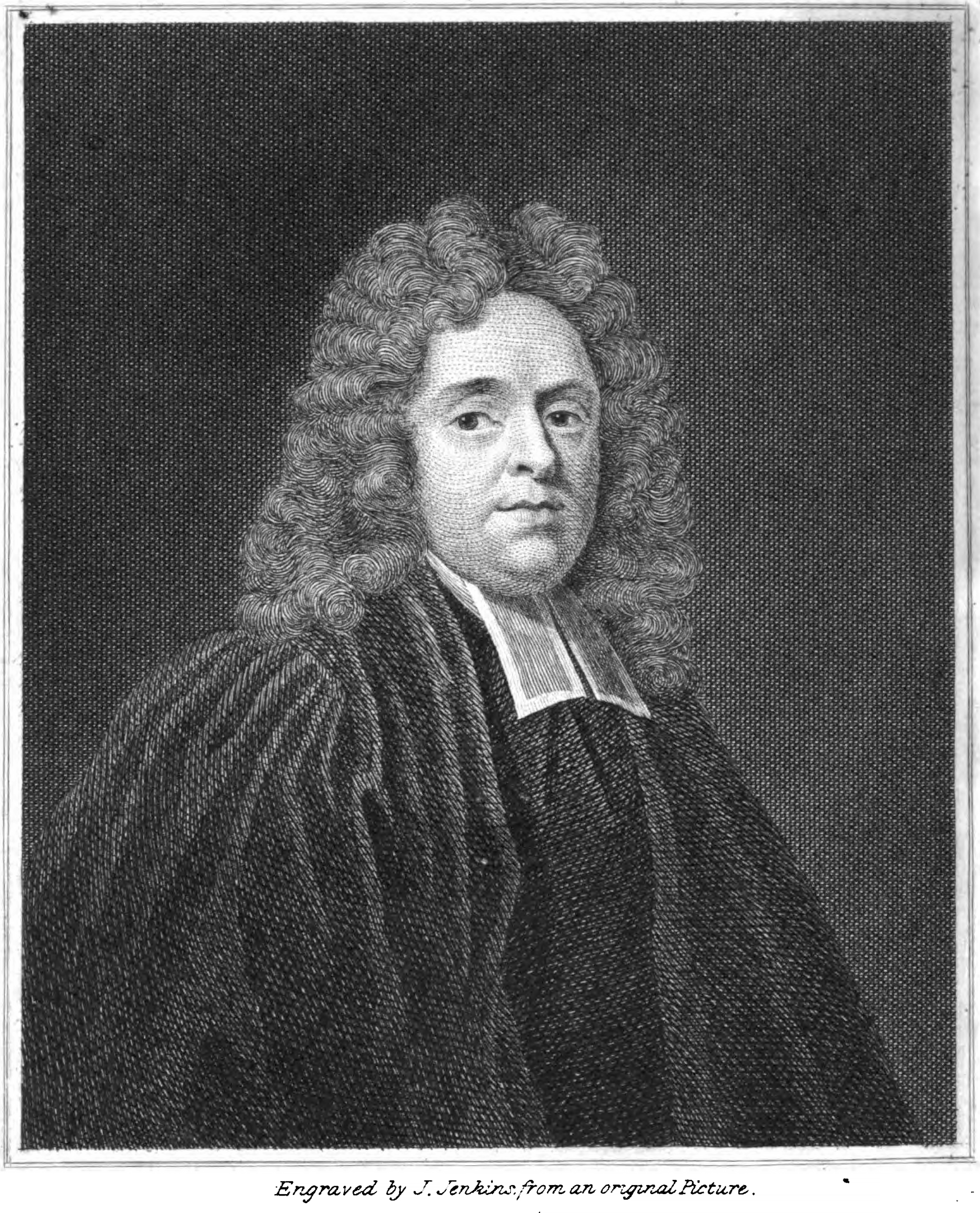
When people think about the Protestant Reformation, Martin Luther is usually the first name that comes to mind. But two other figures were enormously important in shaping the Reformation, particularly in Switzerland: Huldrych Zwingli and John Calvin. Zwingli was the older of the two and began his reforming work before Calvin. Both rejected papal authority, … Read More “Zwingli vs. Calvin: Two Giants of the Reformation” »
Year: 2026
The idea that Adam’s sin somehow affected the moral condition of all later human beings developed gradually. Before 700 CE, Jewish and Christian writers offered several different explanations for humanity’s universal tendency to sin, mortality, and alienation from God. The important point is that there was no single doctrine of original sin shared by all … Read More “Original Sin Before 700 CE: Jewish and Christian Views of Adam’s Sin” »
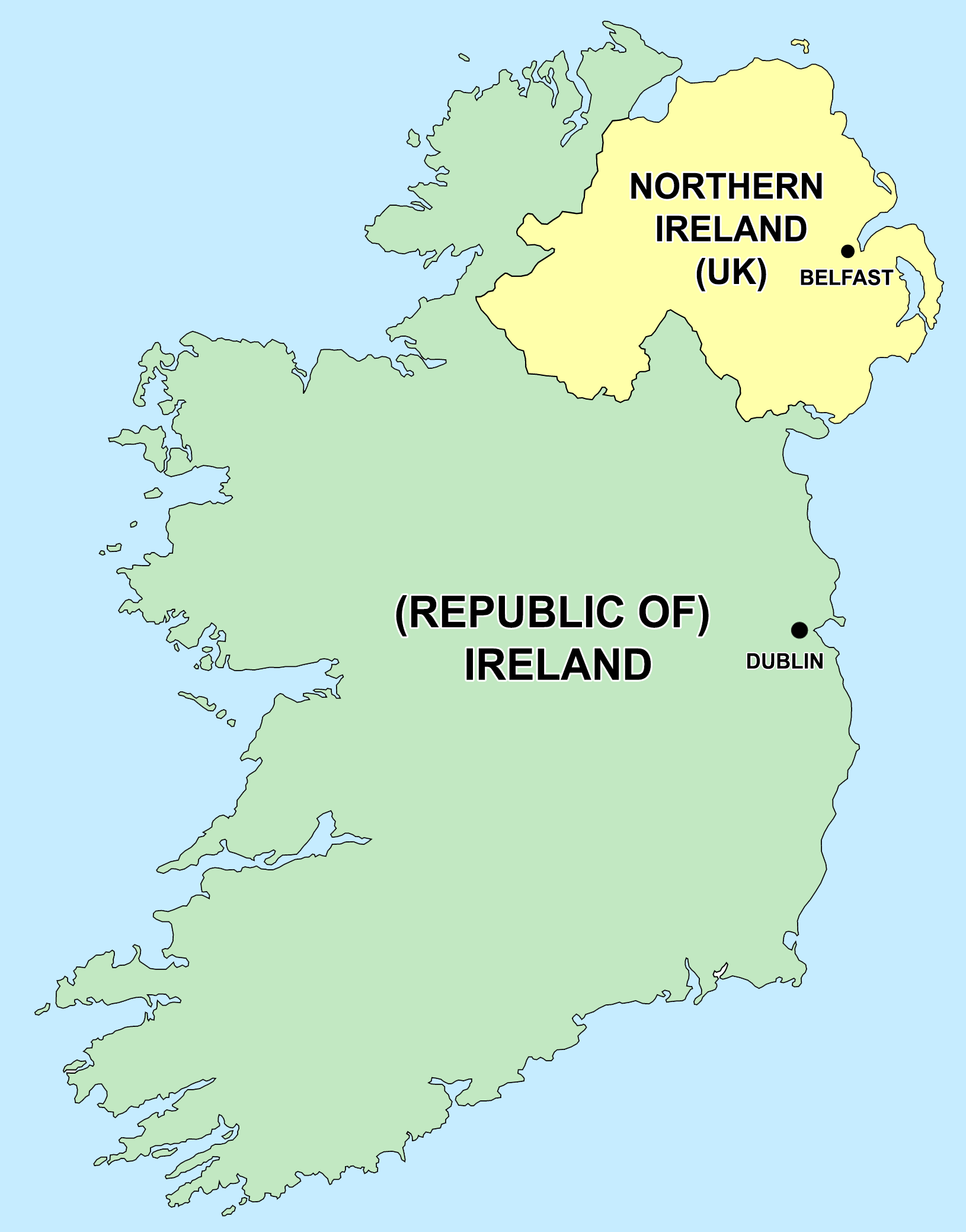
For more than three decades, Northern Ireland was the scene of a violent conflict known as the Troubles. Bombings, shootings, assassinations, riots, imprisonment, and military operations became part of everyday life. More than 3,500 people were killed, and tens of thousands were injured. The conflict is often described simply as a war between Roman Catholics … Read More “The Troubles in Northern Ireland: How Much Was the Conflict Really About Religion?” »
The Vineyard movement occupies a distinctive place in modern Christian history. Emerging from the Jesus Movement of the 1970s, it brought together elements that had often existed separately within Christianity: evangelical commitment to Scripture and evangelism, charismatic expectations concerning the Holy Spirit, contemporary worship music, church planting, and a strong emphasis on the present reality … Read More “The History of the Vineyard Church: John Wimber, the Third Wave, and the Renewal of Worship” »
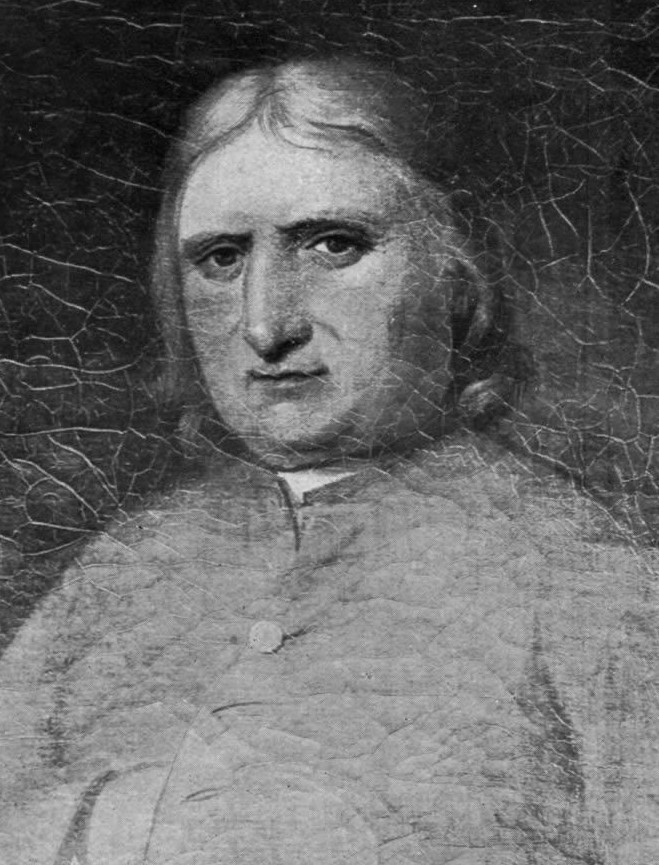
The Religious Society of Friends, commonly known as the Quakers, is one of the most distinctive movements to emerge from seventeenth-century Christianity. Quakers rejected many of the assumptions of established Christianity in their day. They had no ordained priesthood in the traditional sense, emphasized direct experience of God, gathered for worship in silence, rejected social … Read More “The History of the Quakers: From George Fox to a Global Religious Movement” »
Few study Bibles have had as much influence on modern evangelical Christianity as the Scofield Reference Bible. (Amazon affiliate link) First published in 1909, the Scofield Bible did more than provide explanatory notes alongside the biblical text. It offered readers an organized theological system for understanding the entire Bible. Its notes explained history, prophecy, salvation, Israel, … Read More “The Development and Impact of the Scofield Reference Bible” »
The role of women in the early Christian church is one of the most fascinating and complex subjects in the history of Christianity. The first five centuries of Christianity saw dramatic changes. The church moved from a small Jewish movement operating within the Roman Empire to a legally recognized religion and eventually the official religion … Read More “The Role of Women in the First Five Hundred Years of the Church” »
When many Christians today think of worship music, they imagine a congregation singing contemporary songs accompanied by guitars, keyboards, drums, and a worship band. The songs may be projected onto a screen rather than printed in a hymnal. The musical style may sound more like popular music than traditional church music. This approach to worship … Read More “Maranatha! Music and the Birth of Modern Praise and Worship” »
During the seventeenth and eighteenth centuries, Europe witnessed dramatic intellectual and cultural changes. Scientific discoveries challenged traditional assumptions about the natural world, philosophers emphasized the power of human reason, and many began to question the authority of established churches. Out of this environment emerged Deism, a religious movement that sought to affirm belief in God while … Read More “What Is Deism? The Rise, Influence, and Legacy of the “Religion of Reason”” »
When the Dominion of Canada came into existence on July 1, 1867, it was a deeply religious country. Christianity permeated nearly every aspect of public life, from politics and education to social services and national identity. Churches were among the most influential institutions in the new nation, and religious affiliation was considered a normal and … Read More “Church and Nation: Christianity in Canada’s Earliest Years After Confederation” »