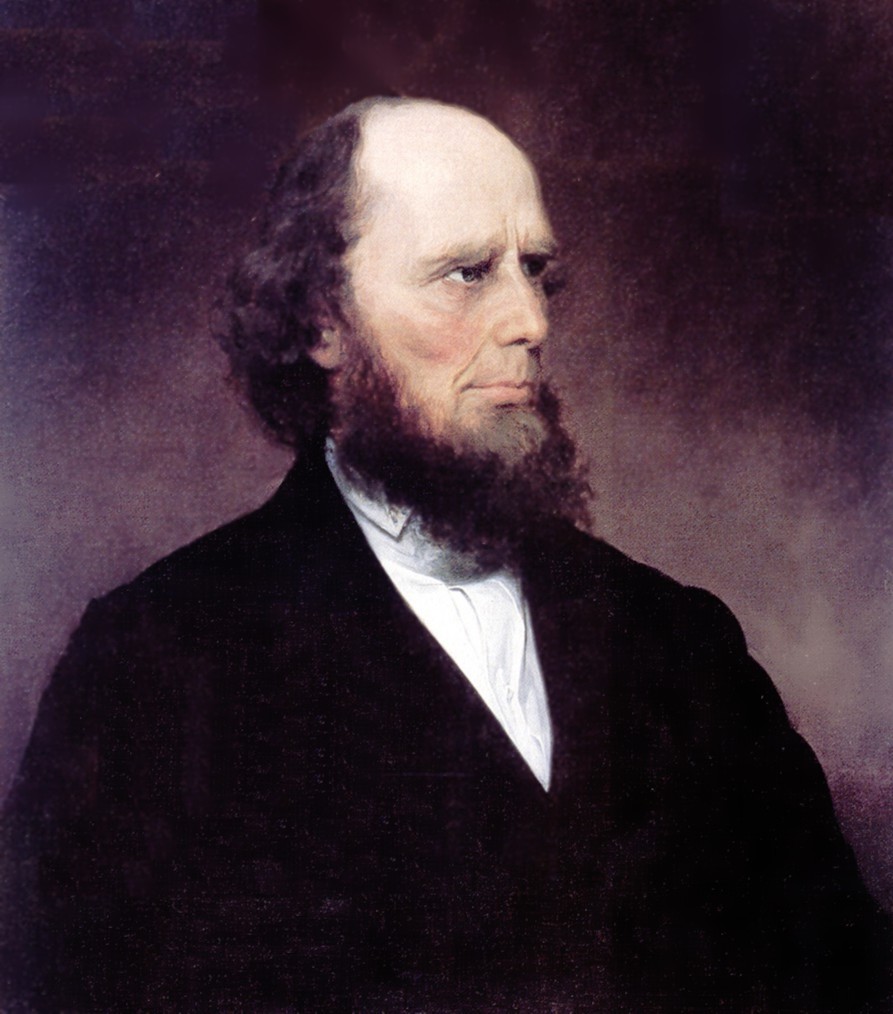
Few figures shaped American Christianity as dramatically—or as controversially—as Charles Grandison Finney. A central leader of the 19th-century revival movement, Finney helped redefine how many Protestants understood conversion, evangelism, and the role of human choice in salvation.
Historical Context: The Second Great Awakening
Finney’s life and ministry unfolded during the Second Great Awakening (early 1800s), a period marked by intense religious revival across the United States.
This era saw:
- Rapid westward expansion
- Social upheaval and democratization
- A shift toward more emotional and accessible forms of religion
Traditional Calvinist theology—with its emphasis on predestination—was increasingly challenged by revivalists who stressed personal decision and moral responsibility.
Early Life and Conversion
Charles Finney was born in 1792 in Warren and grew up in frontier New York.
Originally trained as a lawyer, Finney underwent a dramatic religious conversion in 1821. He later described it as a powerful, almost overwhelming spiritual experience that transformed his life.
Soon after, he abandoned law and became a Presbyterian minister—though his theology would later diverge from traditional Presbyterian doctrine.
Rise as a Revivalist
Finney quickly became one of the most influential preachers of his time, especially in upstate New York—an area so full of religious fervor it was nicknamed the “Burned-over District.”
He was known for innovative revival methods, including:
- The “anxious bench” (a place for those under conviction to come forward)
- Direct, confrontational preaching
- Calling for immediate decisions for Christ
These methods broke from older, more reserved traditions and made revival meetings more participatory and urgent.
What Was Finney Known For?
Finney is best known for:
- Leading large-scale revival meetings
- Promoting the idea that revival could be planned and encouraged, not just passively awaited
- Emphasizing human responsibility in salvation
- Advocating for social reforms, including abolitionism
He later became president of Oberlin College, a center for both religious revival and progressive reform.
His Theology: A Radical Shift
Finney’s theology was groundbreaking—and controversial.
1. Rejection of Traditional Calvinism
Unlike many of his contemporaries, Finney rejected key elements of Reformed theology:
- Denied total depravity in its classical sense
- Opposed the idea that humans are unable to respond to God
2. Emphasis on Free Will
Finney taught that:
- People have the ability to choose God
- Conversion is a moral decision, not an irresistible act of grace
3. Revival as a “Means”
He famously argued:
Revival is not a miracle but the “right use of the appropriate means.”
This meant:
- Preaching, prayer, and methods could produce revival
- Human action plays a key role in spiritual awakening
4. Moral Government Theology
Finney viewed God’s rule as a moral government:
- Sin is a voluntary choice
- Obedience is achievable
- Christians can live in entire obedience to God
This led to his belief in a form of Christian perfectionism (not sinless perfection, but full commitment to God’s will).
Social Reform and Activism
Finney’s faith was not just personal—it was deeply social.
He was a strong advocate for:
- The abolition of slavery
- Women’s participation in religious life
- Education and moral reform
At Oberlin, he helped create one of the first American colleges to:
- Admit Black students
- Promote coeducation
Impact in His Own Time
During his lifetime, Finney:
- Drew thousands to revival meetings
- Helped reshape American evangelicalism
- Influenced the methods of countless preachers
His approach made Christianity:
- More accessible
- More emotionally engaging
- More focused on immediate personal response
Controversy and Criticism
Finney was not without critics.
Opponents argued that he:
- Downplayed God’s sovereignty
- Overemphasized human ability
- Turned conversion into a psychological process
Many traditional theologians believed his methods and theology strayed too far from historic Christian doctrine.
Legacy Today
Finney’s influence is still felt across many Christian traditions.
In Evangelicalism
- Altar calls and revival meetings trace back to his methods
- Emphasis on personal decision remains central
In Theology
- His ideas helped shape Arminian and revivalist traditions
- Sparked ongoing debates about grace, free will, and conversion
In Social Christianity
- His integration of faith and reform influenced later movements for justice and activism
Final Thoughts
Charles Finney was a transformative—and polarizing—figure. He challenged established theology, redefined revival, and left a lasting mark on both church practice and social reform.
Whether viewed as a visionary or a disruptor, his influence is undeniable.