Many people are surprised to learn that the Catholic Church is not monolithic. While the Roman Catholic Church is by far the largest and most visible expression of Catholicism, it exists alongside Eastern Catholic Churches that are fully Catholic yet distinctly Eastern in theology, worship, and practice.
This post explains what separates Roman Catholic and Eastern Catholic traditions, why that separation exists, and how they remain united.
What Do “Roman Catholic” and “Eastern Catholic” Mean?
Roman Catholic
“Roman Catholic” refers to Catholics who belong to the Latin Church, which developed in the Western Roman Empire and uses:
- The Latin theological tradition
- The Roman Rite (including the modern Mass)
- Canon law and practices shaped by medieval Western Europe
Roman Catholics make up roughly 98% of all Catholics worldwide.
Eastern Catholic
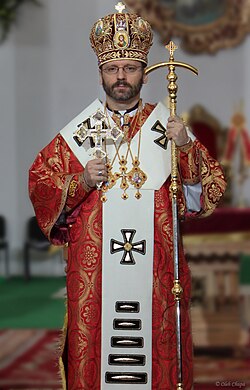
Eastern Catholics belong to one of 23 Eastern Catholic Churches, including:
- Ukrainian Greek Catholic
- Melkite Greek Catholic
- Maronite
- Chaldean Catholic
- Syro-Malabar Catholic
These churches:
- Originate in the Eastern Roman (Byzantine), Syriac, Alexandrian, Armenian, or Mesopotamian worlds
- Are in full communion with the Pope
- Retain their own liturgies, theology, and canon law
Why Is There a Separation?
The separation is historical, not doctrinal.
1. Early Christianity Developed in Multiple Cultural Centers
Early Christianity took shape in:
- Rome
- Constantinople
- Antioch
- Alexandria
- Jerusalem
Each region developed its own:
- Liturgical language
- Theological emphases
- Church discipline
2. The Great Schism (1054)
The Great Schism divided most Eastern churches from Rome, forming what we now call Eastern Orthodoxy. However, not all Eastern Christians remained separated permanently.
3. Eastern Catholic Churches Re-entered Communion with Rome
Between the 16th and 18th centuries, several Eastern Christian communities:
- Entered communion with Rome
- Retained their Eastern identity
- Rejected Latinization as a requirement for unity (at least in principle)
Thus, Eastern Catholic Churches are often described as “Orthodox in worship, Catholic in communion.”
Differences in Worship and Practice
1. Liturgy
Roman Catholic
- Primarily the Roman Rite
- Structured, relatively concise
- Focus on Eucharistic prayer and sacramental precision
Eastern Catholic
- Divine Liturgy of St. John Chrysostom, St. Basil, or ancient Syriac liturgies
- Longer, more chant-based
- Emphasizes mystery, symbolism, and heavenly worship
2. Language and Music
Roman Catholic
- Latin historically; now largely vernacular
- Limited congregational chanting
Eastern Catholic
- Greek, Church Slavonic, Arabic, Syriac, or vernacular
- Chant is continuous and central
3. Icons vs. Statues
Roman Catholic
- Statues, crucifixes, sacred art in varied styles
Eastern Catholic
- Icons governed by strict theological canons
- Icons are “written,” not created, as theology in color
4. Sacraments (Mysteries)
Both share the same seven sacraments, but practice differs.
Eastern Catholic distinctive practices
- Baptism, chrismation (confirmation), and Eucharist given together—even to infants
- Eucharist typically received under both species
- Leavened bread (in most Eastern rites)
5. Clergy and Celibacy
Roman Catholic
- Mandatory priestly celibacy (with limited exceptions)
Eastern Catholic
- Married men may be ordained priests
- Bishops are chosen from the celibate clergy
6. Fasting and Spiritual Discipline
Roman Catholic
- Fasting largely limited to Lent and a few days
Eastern Catholic
- Extensive fasting seasons
- Abstention from meat, dairy, and oil on many days
- Fasting seen as communal and ascetical
Theological Emphases
Roman Catholic
- Legal and scholastic theology
- Emphasis on sin, guilt, and justification
- Strong development of doctrines such as purgatory and satisfaction
Eastern Catholic
- Mystical and liturgical theology
- Emphasis on theosis (participation in divine life)
- Sin understood more as illness than legal guilt
Importantly, Eastern Catholics do not reject Catholic dogma, but often express it using different categories and language.
Authority and the Pope
Both Roman and Eastern Catholics:
- Accept the Pope as Bishop of Rome and universal pastor
- Affirm the teachings of ecumenical councils recognized by Rome
However, Eastern Catholics emphasize:
- Conciliarity
- The authority of patriarchs and synods
- A less centralized ecclesiology in daily practice
Why Do Eastern Catholics Exist at All?
Eastern Catholic Churches serve as:
- A witness that unity does not require uniformity
- A bridge between Roman Catholicism and Eastern Orthodoxy
- A reminder that early Christianity was culturally diverse
They preserve ancient Christian traditions that predate medieval Western theology.
Ongoing Challenges
Eastern Catholics have historically faced:
- Pressure to adopt Latin practices (“Latinization”)
- Suspicion from Eastern Orthodox counterparts
- Marginalization within the broader Catholic world
Recent popes, particularly John Paul II and Francis, have strongly affirmed the legitimacy and importance of Eastern Catholic traditions.
Conclusion
The difference between Roman Catholic and Eastern Catholic is not about whether one is Catholic, but how Catholic faith is lived and expressed.
Roman Catholicism reflects the theological and cultural heritage of Western Europe. Eastern Catholicism preserves the spirituality, worship, and worldview of ancient Eastern Christianity—while remaining in communion with Rome.
Together, they demonstrate that Catholic unity has always allowed for profound diversity.