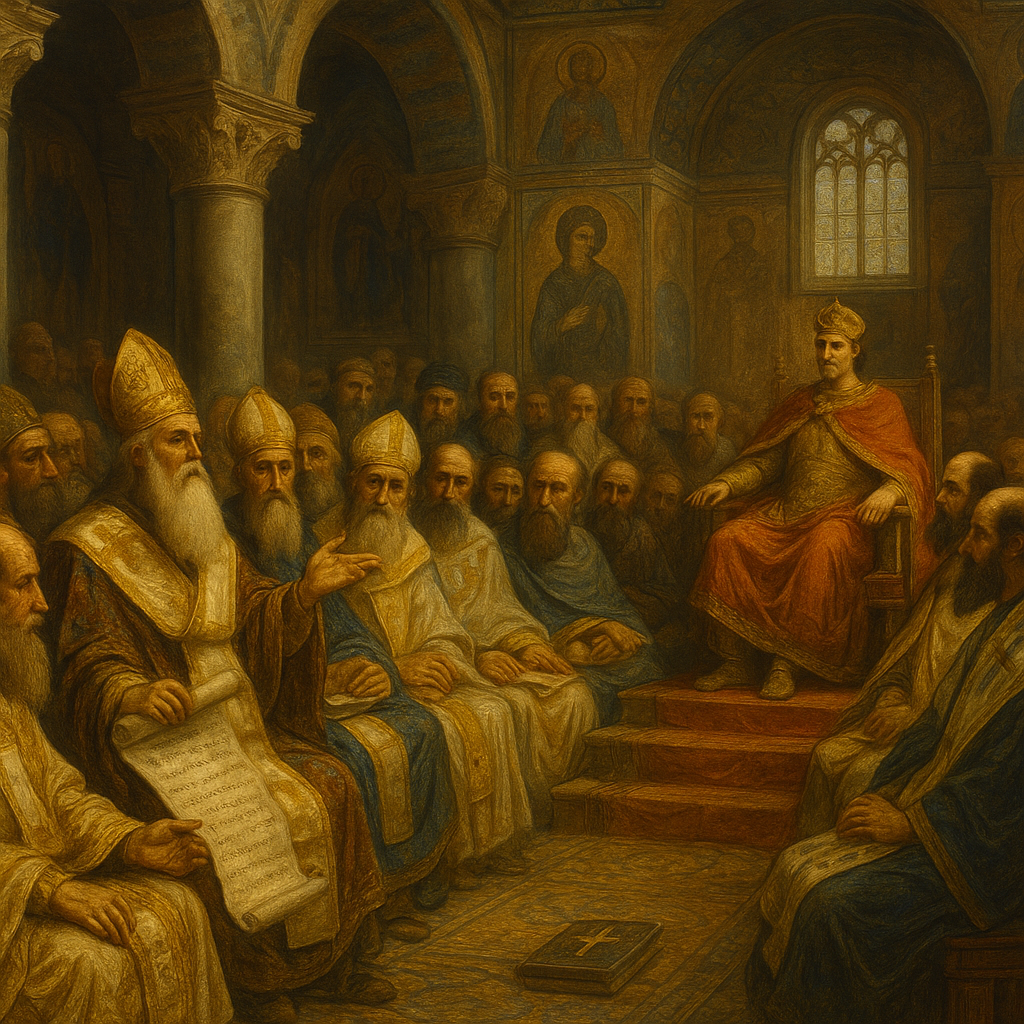
Introduction The Ecumenical Councils of the early Christian Church played a vital role in shaping Christian doctrine and resolving theological disputes. These gatherings brought together bishops and leaders from across the Christian world to seek unity and define orthodoxy. What Are the Ecumenical Councils? Ecumenical Councils are official assemblies of Church leaders convened to discuss … Read More “A Brief History of the Ecumenical Councils” »
Episodes and Posts
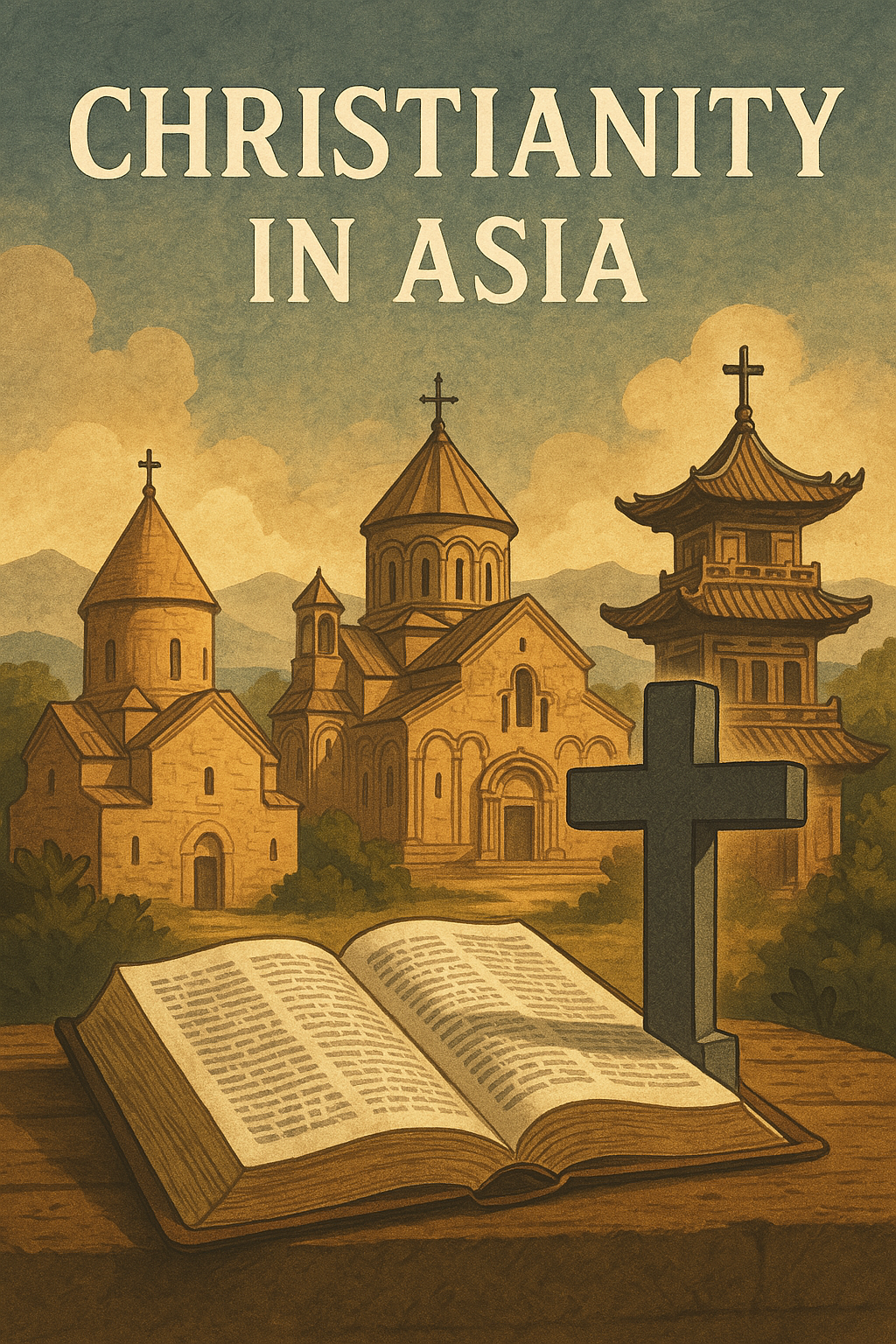
When people think of early Christianity, they often picture Europe and the Mediterranean world. However, long before modern missionary efforts, Christianity had already reached deep into Asia, taking root in various cultures and kingdoms across the continent. From the Persian Empire to the coasts of China, the faith had a complex and vibrant history long before … Read More “Christianity in Asia Before 1000 AD: A Hidden History” »
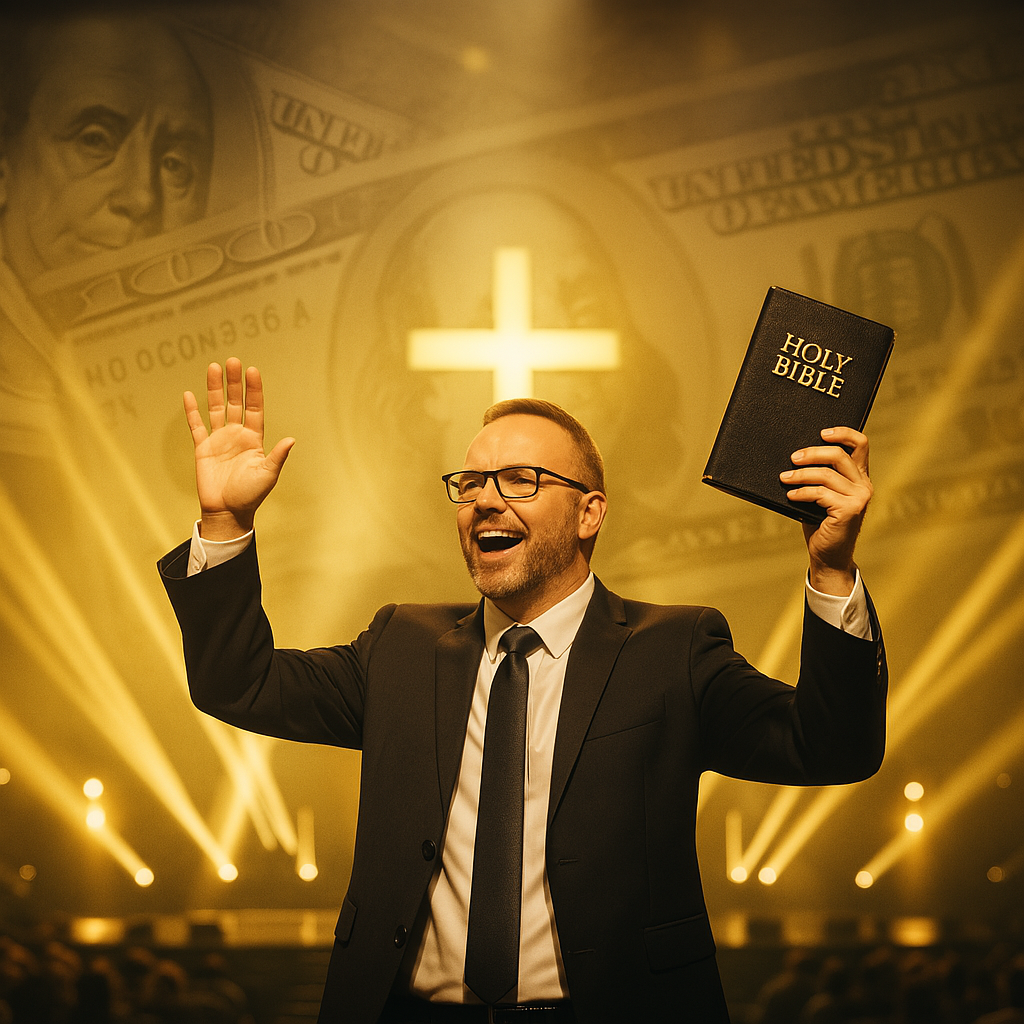
The Prosperity Gospel, also known as the “health and wealth gospel” or “word of faith movement,” is one of the most controversial and influential theological movements in modern Christianity. It teaches that God rewards faith with financial success and physical well-being, and that believers can access these blessings through positive confession, generous giving, and unwavering belief. Origins … Read More “The Rise and Reach of the Prosperity Gospel” »
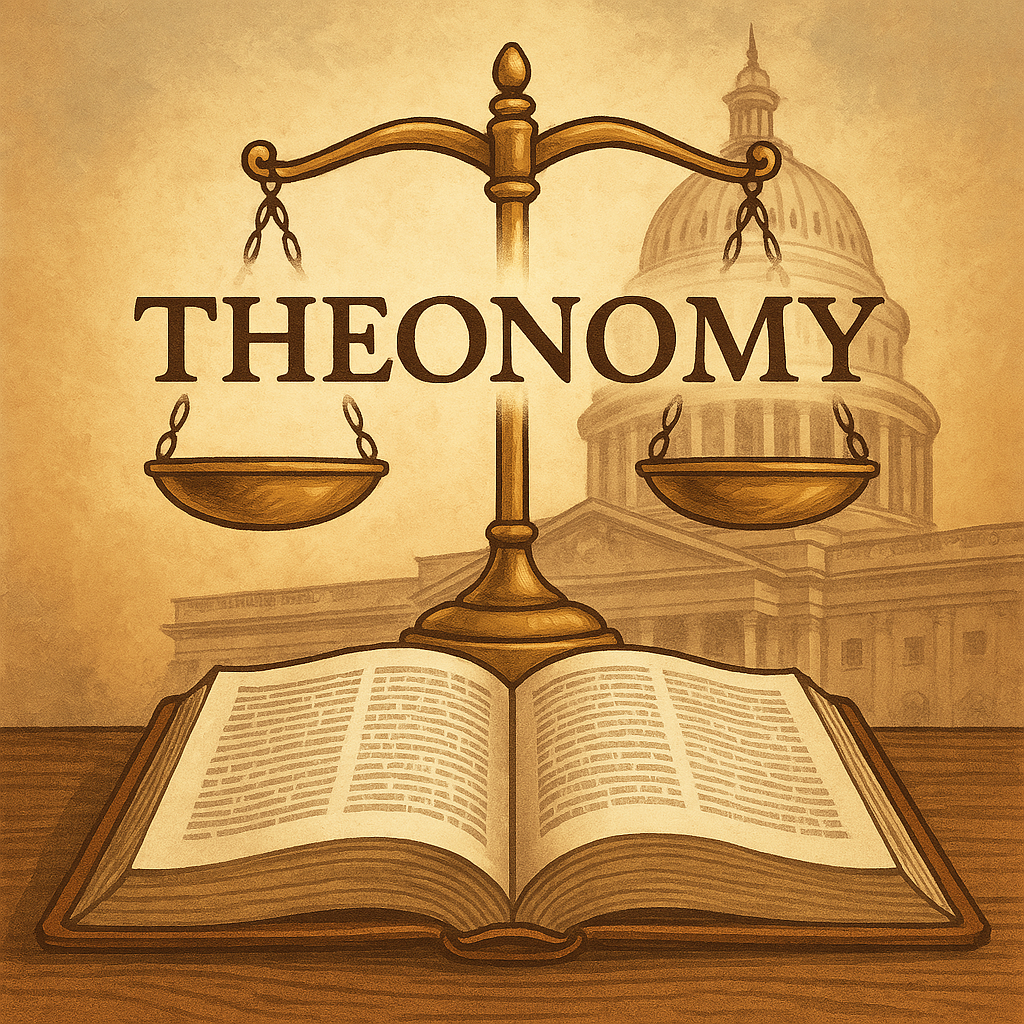
Theonomy, from the Greek theos (God) and nomos (law), is the belief that biblical law—particularly the civil laws of the Old Testament—should be applied in contemporary society, including modern governments. It’s a theological position that continues to spark debate, particularly within Reformed and evangelical circles. What Is Theonomy? At its core, Theonomy argues that God’s law, as revealed in Scripture, is … Read More “Theonomy: God’s Law in Modern Society?” »
Christian Science is a religious movement that emerged in the 19th century, blending elements of Christianity, metaphysical healing, and idealist philosophy. It was founded by Mary Baker Eddy, who claimed to have discovered a spiritual system of healing based on the teachings of Jesus. This article explores the origins, inspirations, beliefs, and evolution of Christian Science, as well as what it looks … Read More “The Origins and Development of Christian Science” »
The date of Easter—the most significant celebration in the Christian calendar—was once the center of a major conflict between the Celtic Church and the Roman Church. This dispute, which occurred during the 6th and 7th centuries, was more than a disagreement over calendars—it symbolized a deeper struggle for religious influence and cultural identity. Though seemingly technical, the debate over when to … Read More “The Celtic vs. Roman Church Conflict Over the Date of Easter” »
Easter is the most significant celebration in the Christian calendar, commemorating the resurrection of Jesus Christ. Unlike Christmas, which falls on a fixed date (December 25), Easter is a movable feast, meaning its date changes each year. The calculation of Easter’s date is based on a combination of lunar and solar cycles, creating a blend of ecclesiastical … Read More “How Is the Date for Easter Calculated?” »
In recent years, scholars and analysts have highlighted the concept of Russian Nuclear Orthodoxy—a fusion of Russian Orthodox Christianity with the country’s nuclear and military identity. This unique phenomenon reflects how the Russian Orthodox Church (ROC) has intertwined with the nuclear forces of the Russian Federation, lending religious legitimacy to Russia’s nuclear arsenal and its broader military ambitions. In this post, we’ll … Read More “Russian Nuclear Orthodoxy: The Fusion of Faith and Force” »
The Arian controversy was one of the most significant theological disputes in early Christianity, shaping the doctrine of the Trinity and the future of the Christian Church. It centered around Arius, a presbyter from Alexandria, who argued that Jesus Christ was not fully divine but a created being. This belief sparked fierce debate, leading to the Council of Nicaea (325 AD) and influencing the course of Christian … Read More “The Rise and Impact of Arianism: One of Early Christianity’s Defining Controversies” »
The Roman Catholic and Eastern Orthodox Churches: Similarities, Differences, and the Path to Reconciliation
For over 1,000 years, the Roman Catholic Church and the Eastern Orthodox Church have existed as distinct branches of Christianity, separated by theological, cultural, and political differences. Despite their split, they share a common heritage and continue to seek avenues for dialogue and cooperation today. In this post, we’ll explore:✅ The similarities and differences between the two churches.✅ The history behind their Great Schism.✅ Attempts … Read More “The Roman Catholic and Eastern Orthodox Churches: Similarities, Differences, and the Path to Reconciliation” »