
The Salvation Army emerged in the late nineteenth century as an innovative evangelical movement that fused revivalist theology with a disciplined, quasi-military structure aimed at urban mission. Its beginnings, leadership, theological commitments, and organizational instincts positioned it uniquely within the broader landscape of Protestantism.
Historical and cultural context
The Salvation Army was born in 1865 in London’s East End, a district marked by rapid industrialization, overcrowded tenements, unstable labor, and deep social stratification. Britain’s population growth and urban migration created entrenched poverty and widespread moral concern. Traditional parish structures often struggled to reach transient or marginalized populations. Evangelical revivalism was flourishing, but many revivalists observed that street dwellers, laborers, and the destitute rarely entered middle-class churches. This “home mission” crisis created an opportunity for new forms of outreach that prioritized accessibility over respectability.
William and Catherine Booth entered this milieu as seasoned Methodist revivalists convinced that the gospel must be carried to neglected urban masses in forms they could understand. Their earliest work, then known as the Christian Mission, adopted open-air preaching, street evangelism, and a flexible style of worship that defied conventional expectations of Victorian church life.
Founders: biographical background
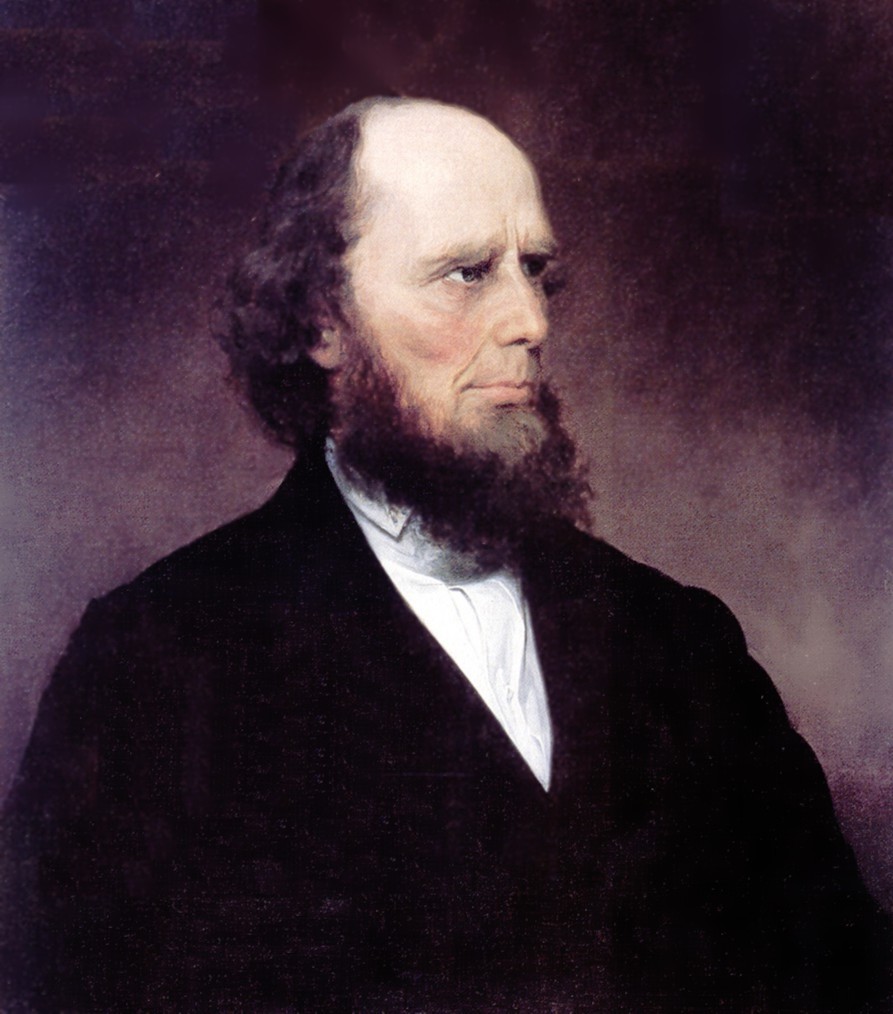
William Booth (1829–1912) was born in Nottingham to a struggling family. Apprenticed as a pawnbroker, he witnessed firsthand the corrosive effects of poverty and substance abuse. Converted in his teens through Methodist influence, he soon became a lay preacher before joining the Methodist New Connexion. Booth was restless within ecclesiastical structures and left itinerant ministry in 1861 to engage in freelance evangelism. His experience among the working poor shaped his conviction that the church needed a more aggressive evangelistic strategy.
Catherine Mumford Booth (1829–1890) was raised in a devout Methodist home and was known for her intellectual rigor and strong moral convictions. A staunch advocate of women’s ministry, she wrote and preached persuasively on issues such as temperance, sanctification, and social reform. Catherine’s theological clarity and strategic insight deeply shaped the movement, giving it doctrinal ballast and moral direction.
Together, the Booths anchored The Salvation Army’s blend of revivalist fervor, disciplined organization, and intense social concern.
Theological influences
Several strands of nineteenth-century evangelical theology informed the movement.
- Wesleyan Holiness theology. The Booths embraced John Wesley’s teaching on entire sanctification, believing that Christians could experience a life of empowered holiness. This emphasis shaped both their moral expectations and their emphasis on personal transformation.
- Revivalist pragmatism. Influenced by transatlantic revivalism, they adopted flexible evangelistic methods. They rejected rigid liturgy in favor of accessible preaching, lively music, and open-air meetings.
- Social holiness. The Wesleyan conviction that faith expresses itself through works of mercy became a defining characteristic. The Salvation Army viewed evangelism and social relief as inseparable.
- Arminian theology. Their theology emphasized human responsibility, universal grace, and the possibility of apostasy. This framework supported their strong moral exhortations and appeals for personal decision.
Distinctives of The Salvation Army
The movement’s innovations distinguished it from traditional Protestant denominations.
1. Military structure and metaphors.
The Christian Mission adopted the name “The Salvation Army” in 1878, organizing itself into ranks, corps (local congregations), and territorial commands. Uniforms, flags, and military titles created a sense of discipline and identity and communicated determination to confront social evil.
2. Absence of sacraments.
Uniquely, The Salvation Army does not practice baptism or the Lord’s Supper. The Booths feared that sacramental rites could obscure the moral and spiritual realities they symbolized, especially among converts from chaotic environments.
3. Evangelism intertwined with social action.
The Salvation Army fused preaching with practical service: soup kitchens, shelters, rescue homes for women, temperance advocacy, and later, disaster relief. Its motto, “Heart to God and hand to man,” captured this integration.
4. Holiness emphasis.
Personal holiness, abstinence from alcohol and tobacco, and disciplined living remain core ethical commitments.
5. Strong role for women.
From the beginning, women served as officers, preachers, and administrators. Catherine Booth’s doctrinal defense of women’s ministry made gender inclusivity a structural norm.
Development since its founding
By the 1880s, the Salvation Army expanded rapidly beyond Britain. Missionaries established corps in the United States, Canada, Australia, New Zealand, India, and continental Europe. The movement adapted culturally while maintaining a unified organizational hierarchy headquartered in London under the international General.
In the early twentieth century, the Army broadened its institutional footprint: hospitals, maternity homes, rehabilitation centers, and emergency shelters became central expressions of its mission. Its social services became so extensive in some countries that governments relied on the Army during crises.
During the mid-century, the Army refined its governance. After William Booth’s death, leadership transitioned to successive Generals elected by the High Council rather than familial succession. The Army consistently emphasized disaster response, addiction rehabilitation, and youth outreach.
Late twentieth- and twenty-first-century development reflects continuity and adaptation. The Salvation Army remains an evangelical denomination with global operations in over 130 countries. It continues to combine worship, evangelism, and social service, though cultural engagement, ecumenical partnerships, and humanitarian professionalism have expanded its operational scope.
Contemporary activities
The Salvation Army engages in a broad spectrum of ministries.
• Social services: Addiction treatment centers, family shelters, food banks, emergency housing, counseling services, and anti-trafficking initiatives.
• Disaster relief: Rapid-response teams for fires, floods, and international crises.
• Community development: Thrift stores (family stores), job training programs, and local community centers.
• Pastoral ministry: Congregational worship, youth programs, chaplaincy, evangelism, and discipleship.
• Advocacy: Public engagement on poverty, homelessness, human trafficking, and substance abuse.
The integration of spiritual care and practical relief gives the Army a distinctive operational profile among global Christian organizations.
Conclusion
The Salvation Army represents one of the most creative and durable expressions of nineteenth-century evangelicalism. Born in an age of industrial upheaval, shaped by Wesleyan holiness and revivalist pragmatism, and led by the strategic partnership of William and Catherine Booth, it forged a model of mission that remains influential. Its military metaphors, social commitments, and global presence continue to define a movement that sees evangelism and social ministry not as competing priorities but as inseparable dimensions of Christian service.