
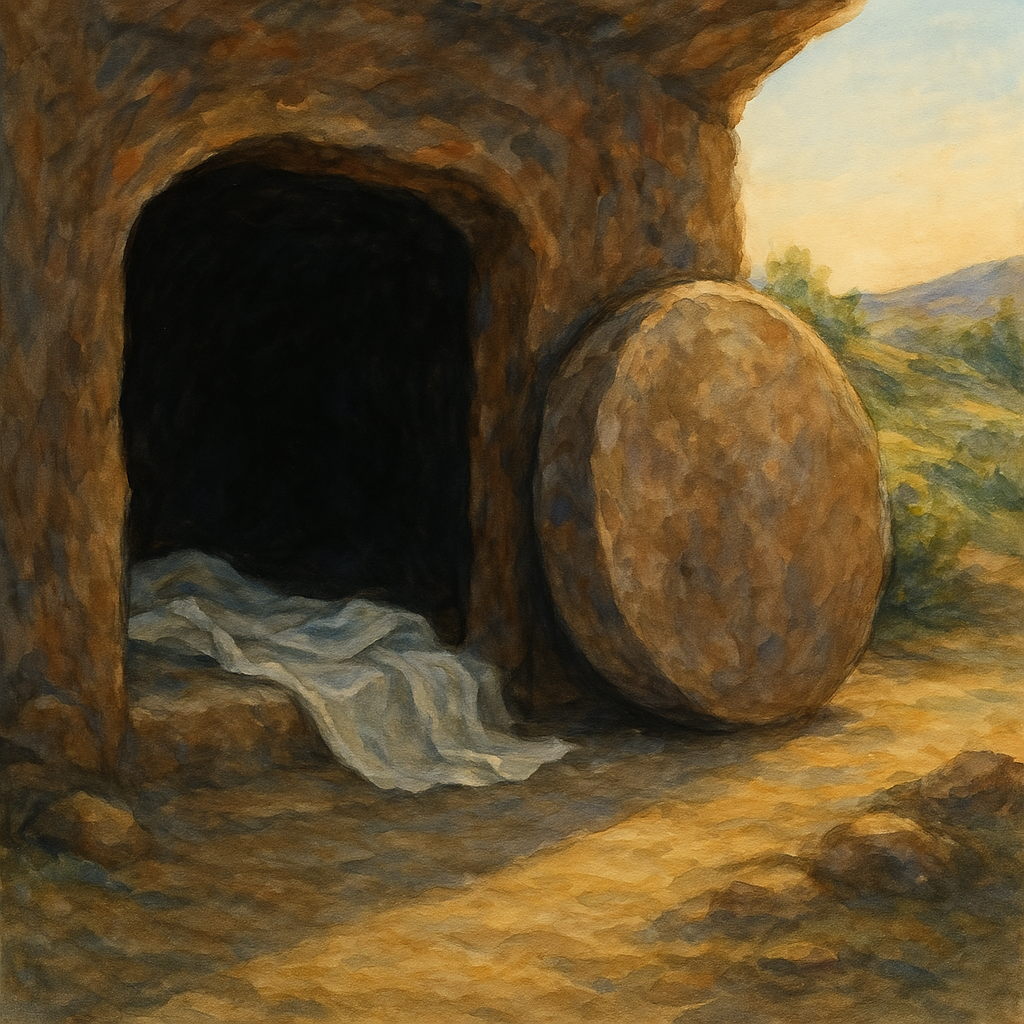
Easter is the most significant celebration in the Christian calendar, commemorating the resurrection of Jesus Christ. Unlike Christmas, which falls on a fixed date (December 25), Easter is a movable feast, meaning its date changes each year. The calculation of Easter’s date is based on a combination of lunar and solar cycles, creating a blend of ecclesiastical tradition and astronomical phenomena. However, the process is far from straightforward, and over the centuries, it has sparked controversies and divisions among different Christian denominations.
How Is the Date for Easter Determined?
The formula for calculating Easter was officially established by the Council of Nicaea in 325 AD. The council decreed that:
- Easter Sunday would be celebrated on the first Sunday following the full moon after the vernal equinox(around March 21).
- Therefore, Easter can fall as early as March 22 and as late as April 25.
However, the church uses an ecclesiastical approximation of the vernal equinox and the full moon rather than the precise astronomical events. This is why Easter’s date may differ slightly from the actual full moon or equinox.
The Computus: The Formula for Calculating Easter
The calculation of Easter is known as the Computus (Latin for “computation”). It involves a complex set of rules based on the Metonic cycle, a 19-year lunar cycle that brings the moon phases back in sync with the solar calendar.
In the Western Church (Roman Catholic and Protestant), Easter is based on the Gregorian calendar, introduced by Pope Gregory XIII in 1582. This calendar corrected inaccuracies in the older Julian calendar, which had caused the date of the spring equinox to drift over the centuries.
In contrast, the Eastern Orthodox Church still uses the Julian calendar to determine the date of Easter, which results in the Orthodox Easter often being celebrated later than in the West.
Controversies Over the Easter Date
Throughout history, the calculation of Easter has been a source of conflict among Christian groups. Here are the major controversies:
1️⃣ Julian vs. Gregorian Calendar Discrepancy
The primary difference between the Eastern and Western churches lies in the calendar system they follow:
- The Gregorian calendar (used by most of the world today) is more accurate, as it corrects the slight misalignment of the Julian calendar with the solar year.
- The Julian calendar is currently 13 days behind the Gregorian calendar. As a result, Orthodox Easter often falls one to five weeks later than Western Easter.
This calendar divide symbolizes broader theological and cultural differences between the two branches of Christianity.
2️⃣ The Quartodeciman Controversy
In the 2nd century, there was a significant dispute known as the Quartodeciman controversy. Some early Christians in Asia Minor (modern-day Turkey) celebrated Easter on Nisan 14 of the Jewish calendar, the day of the Jewish Passover, regardless of which day of the week it fell on.
- Meanwhile, Roman Christians celebrated Easter on the following Sunday, believing it should always be linked to the day of Christ’s resurrection.
- The Council of Nicaea resolved the matter by declaring that Easter should always be observed on a Sunday, not on Passover itself.
3️⃣ Calls for a Unified Easter Date
In recent years, there have been efforts to unify the date of Easter. Some Christian leaders, including Popes and Orthodox patriarchs, have expressed a desire to agree on a fixed date.
- One proposal suggests celebrating Easter on a specific Sunday each year, such as the second Sunday of April, to foster unity among Christian denominations.
- However, theological and traditional differences have made it difficult to reach a consensus.
The Global Impact of Easter’s Movable Date
The variability of Easter’s date has a wide-reaching impact:
- Liturgical calendar: Several Christian holidays (e.g., Ash Wednesday, Pentecost, and Ascension Day) are tied to the Easter date, affecting the entire liturgical year.
- Public holidays: In many countries, Good Friday and Easter Monday are public holidays, so the changing date affects school breaks, business schedules, and travel plans.
- Jewish Passover: Since the Last Supper was a Passover meal, the two holidays are traditionally linked, though their dates occasionally drift apart due to differences in the lunar calendars used for calculation.
Conclusion
The calculation of Easter is a fascinating blend of astronomy, theology, and tradition. While the Gregorian and Julian calendar differences continue to create division between Western and Eastern Christianity, the core of the celebration—the resurrection of Christ—remains the unifying focus. Despite centuries of debate, the complexity and mystery of the Easter date continue to reflect the rich and diverse history of the Christian faith.